
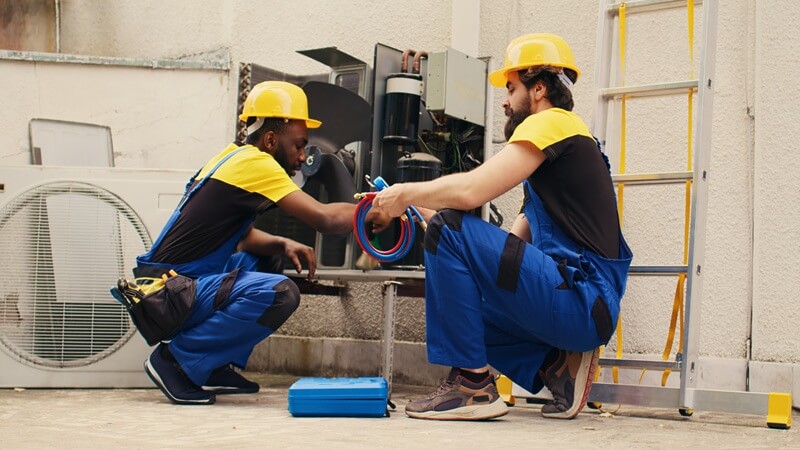
Heating and cooling systems affect far more than indoor comfort. They involve electrical connections, refrigerant handling, gas lines, airflow design, ventilation, drainage, and equipment warranties, all of which can become costly when handled incorrectly. For homeowners, choosing a licensed contractor is not just about getting the system to turn on. It is about protecting the home, keeping the equipment running correctly, and avoiding mistakes that may lead to damage or denied warranty claims. A licensed provider brings accountability, proper procedures, and code-aware workmanship to equipment that plays an important role in everyday comfort and household safety.
Protection Behind the Work
- Licensing Creates Accountability for the Homeowner
Licensed HVAC companies matter because heating and cooling work is governed by safety rules, permit requirements, and industry standards that protect homeowners. Licensing shows that the contractor has met local requirements to perform this type of work legally and is expected to follow rules governing installation, repair, ventilation, refrigerant use, and electrical connections. This accountability is important because a poorly handled job can create problems that are not immediately visible. A system may run after service, but hidden mistakes can affect airflow, wiring, drainage, gas combustion, or long-term equipment performance. When a homeowner hires someone without the right credentials, there may be little protection if the work causes damage or fails inspection. A Licensed HVAC company is also easier to verify, which gives homeowners a clearer way to check whether the contractor is operating properly. That layer of responsibility helps reduce risk before work even begins.
- Safety Depends on Correct Procedures
Heating and cooling systems pose safety risks that should never be taken lightly. Air conditioners involve electrical components and refrigerant lines, while furnaces and some heating systems involve gas, combustion, exhaust, and ventilation. A loose wire, poor connection, cracked heat exchanger, leaking gas line, blocked flue, or incorrect refrigerant charge can create hazards that go beyond comfort. Licensed technicians are expected to follow proper procedures when working around these risks, including safe shutoff steps, testing, inspection, and code-compliant repairs. This matters because shortcuts can make a system appear functional while unsafe conditions persist within the equipment. Homeowners may not know that something is wrong until they smell burning, notice poor heating, experience repeated shutdowns, or face a larger safety concern. Correct procedures help prevent avoidable dangers such as electrical overheating, carbon monoxide exposure, refrigerant mishandling, and fire risks. The system should not only work; it should operate safely every time it runs.
- Proper Installation Supports Better Efficiency
Energy efficiency depends heavily on how the system is installed and adjusted. Even quality equipment can waste energy if it is connected poorly, sized incorrectly, charged improperly, or paired with ductwork that cannot support proper airflow. Licensed contractors are more likely to follow load calculation practices, manufacturer instructions, airflow requirements, and local codes during installation. This helps the system heat and cool the home without unnecessary strain. A unit that is too large may cycle too often, while one that is too small may run almost constantly. Both situations can raise energy use and shorten equipment life. Installation details such as refrigerant levels, duct sealing, drain slope, thermostat placement, and electrical setup also affect daily performance. When these details are handled correctly, the system can run more smoothly and maintain comfort while using less energy. A proper installation may not be as visible as a new indoor unit or outdoor condenser, but it often determines how efficiently the system performs for years.
- Warranty Protection Requires Proper Workmanship
Many homeowners do not realize that manufacturer warranties often depend on proper installation, approved parts, correct registration, and documented service. If a system is installed or repaired incorrectly, a warranty claim may be more difficult to obtain or even denied. Manufacturers generally expect equipment to be handled according to their guidelines, which may include proper refrigerant charging, use of compatible replacement parts, adherence to electrical requirements, and maintenance records. A licensed contractor understands these expectations and can provide paperwork that helps support warranty protection. This documentation can be important later if a compressor, motor, coil, or control board fails during the warranty period. Without service records or proof of proper work, the homeowner may have trouble showing that the issue was not caused by poor handling. Warranty coverage can save a significant amount on parts, but only when the system is treated in a way that keeps the coverage valid. Proper workmanship protects both the equipment and the homeowner’s investment.
Hiring a licensed heating and cooling company gives homeowners more than a working system. It supports safer repairs, greater efficiency, stronger warranty protection, and work that complies with local requirements. Licensed service also brings clearer accountability, proper documentation, and more careful diagnostics, which can help reduce costly mistakes. Since heating and cooling equipment affects comfort, energy use, indoor air quality, and household safety, the person working on it should be properly qualified. A homeowner may save money upfront with unlicensed work, but the long-term risks can be far greater than the short-term discount.