
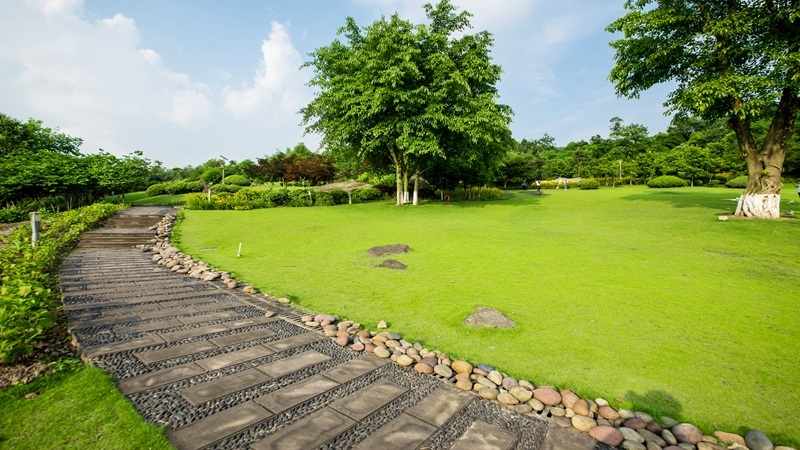
A beautiful garden can completely transform a home. It creates a peaceful environment, improves property value, and provides the perfect place to relax with family and friends. Whether you have a small backyard, a large lawn, or a compact balcony, the right garden design can turn any outdoor space into a stunning natural retreat.
Today, homeowners pay more attention to outdoor living than ever before. Modern garden spaces are no longer just areas filled with plants. Instead, they combine style, comfort, creativity, and functionality. From colorful flower beds to elegant pathways and cozy seating areas, every detail contributes to the overall beauty of the garden.
In this complete guide, you will learn everything about garden design, including planning, layout ideas, plant selection, landscaping tips, maintenance, and modern trends. This article will help beginners and experienced gardeners create an attractive and functional outdoor space.
What Is Garden Design?
Garden design is the process of planning and arranging outdoor spaces to make them visually appealing, practical, and comfortable. It combines landscaping, architecture, plants, colors, textures, and decorative features to create harmony within the garden.
A well-designed garden balances beauty and functionality. It uses space wisely while improving the natural appearance of the environment. Good garden design also considers climate, soil type, sunlight, and maintenance needs.
Professional garden designers often focus on:
- Plant placement
- Pathways and walkways
- Water features
- Lighting
- Outdoor seating
- Garden structures
- Lawn areas
- Decorative elements
The goal is to create a space that feels welcoming, relaxing, and visually balanced.
Why Garden Design Matters
Many people underestimate the importance of proper garden planning. However, a thoughtfully designed garden offers many benefits beyond visual beauty.
Enhances Property Value
A well-maintained outdoor space increases the value of a property significantly. Attractive landscaping creates a strong first impression for visitors and potential buyers.
Creates a Relaxing Environment
Gardens provide a peaceful escape from busy daily life. Greenery, flowers, and natural elements reduce stress and improve mental well-being.
Improves Outdoor Living
Modern garden design transforms outdoor spaces into functional living areas for dining, entertaining, or relaxing.
Supports Nature and Wildlife
Gardens attract birds, butterflies, and pollinators that help maintain ecological balance.
Improves Air Quality
Plants naturally clean the air by absorbing carbon dioxide and releasing oxygen.
Planning Your Garden Design
Every successful garden starts with proper planning. Before planting flowers or building pathways, homeowners should carefully analyze their outdoor space.
Understand Your Space
Start by observing the size, shape, and condition of your garden area. Take note of:
- Sunlight exposure
- Shaded areas
- Soil quality
- Drainage
- Existing trees or plants
- Wind direction
Understanding these factors helps you choose suitable plants and layouts.
Define the Purpose of the Garden
Different gardens serve different purposes. Decide how you want to use the space.
For example:
- Relaxation area
- Family entertainment space
- Vegetable garden
- Children’s play area
- Outdoor dining area
- Decorative flower garden
Your purpose will guide the overall design.
Set a Budget
Garden projects can range from simple DIY improvements to expensive landscape renovations. Creating a realistic budget helps you prioritize features and avoid overspending.
Popular Garden Design Styles
Choosing the right style helps create a consistent and attractive appearance.
Modern Garden Design
Modern gardens focus on simplicity, clean lines, and minimal decoration. They often include:
- Geometric layouts
- Neutral colors
- Concrete or stone pathways
- Minimalist furniture
- Structured plants
Modern gardens work well in urban homes and contemporary properties.
Traditional Garden Design
Traditional gardens feature classic layouts, colorful flowers, and symmetrical designs.
Common elements include:
- Rose gardens
- Decorative hedges
- Stone pathways
- Fountains
- Wooden benches
These gardens create a timeless and elegant atmosphere.
Cottage Garden Design
Cottage gardens feel natural, romantic, and slightly wild. They use dense plantings and colorful flowers to create charm.
Popular plants include:
- Lavender
- Sunflowers
- Daisies
- Roses
- Climbing vines
This style creates a cozy and welcoming environment.
Japanese Garden Design
Japanese gardens focus on balance, harmony, and peace.
Features often include:
- Water elements
- Stones and gravel
- Bonsai trees
- Bamboo
- Minimalist layouts
These gardens encourage relaxation and meditation.
Tropical Garden Design
Tropical gardens use lush greenery and exotic plants to create a vacation-like atmosphere.
Popular elements include:
- Palm trees
- Large leafy plants
- Waterfalls
- Bright flowers
- Wooden decking
This style works best in warm climates.
Essential Elements of Garden Design
Every successful garden includes several important design components.
Plants and Flowers
Plants form the heart of every garden. Choose plants that suit your climate and maintenance preferences.
Combine different plant types for variety:
- Trees
- Shrubs
- Flowers
- Ground covers
- Climbing plants
Mix colors, heights, and textures to create visual interest.
Pathways and Walkways
Pathways improve accessibility and guide visitors through the garden.
Popular materials include:
- Gravel
- Stone
- Brick
- Wood
- Concrete
Curved pathways create a natural appearance, while straight paths look more modern.
Lawn Areas
A healthy lawn adds freshness and openness to outdoor spaces. However, lawns require regular watering and mowing.
Small gardens may benefit from reduced lawn areas combined with decorative landscaping.
Outdoor Seating
Comfortable seating turns gardens into functional living spaces.
Popular options include:
- Wooden benches
- Outdoor sofas
- Dining tables
- Swing chairs
- Pergolas
Place seating in shaded or scenic areas for maximum comfort.
Water Features
Water features add movement, sound, and elegance to gardens.
Examples include:
- Fountains
- Ponds
- Waterfalls
- Bird baths
Flowing water creates a calming atmosphere and attracts wildlife.
Garden Lighting
Lighting improves safety and enhances nighttime beauty.
Use lighting to highlight:
- Pathways
- Trees
- Water features
- Seating areas
Solar lights are energy-efficient and easy to install.
How to Choose the Right Plants
Plant selection plays a major role in successful garden design.
Consider Climate
Always choose plants suitable for your local climate and temperature conditions.
Match Sunlight Requirements
Some plants require full sunlight, while others thrive in shade.
Examples:
- Roses prefer sunlight
- Ferns grow well in shade
Think About Maintenance
Low-maintenance plants save time and effort.
Easy-care plants include:
- Lavender
- Succulents
- Snake plants
- Hostas
Use Seasonal Variety
Combine plants that bloom in different seasons to keep the garden colorful year-round.
Small Garden Design Ideas
Limited space does not mean limited creativity. Small gardens can look stylish and functional with smart planning.
Vertical Gardening
Use walls, trellises, or hanging pots to grow plants vertically.
Multi-Functional Furniture
Choose furniture with storage options to maximize space.
Mirrors and Lighting
Mirrors create the illusion of larger spaces, while proper lighting adds depth.
Compact Plants
Use dwarf trees, small shrubs, and compact flowers to avoid overcrowding.
Layered Planting
Arrange plants at different heights to create dimension.
Sustainable Garden Design
Eco-friendly gardening has become increasingly popular. Sustainable gardens conserve resources while protecting the environment.
Use Native Plants
Native plants adapt better to local climates and require less water.
Install Rainwater Collection Systems
Rain barrels help conserve water for irrigation.
Reduce Chemical Use
Organic fertilizers and natural pest control protect soil health and wildlife.
Compost Garden Waste
Composting reduces waste and improves soil quality naturally.
Use Solar Lighting
Solar-powered lights reduce electricity consumption.
Garden Design Trends in 2026
Modern garden trends focus on comfort, sustainability, and functionality.
Outdoor Living Rooms
Homeowners now create outdoor spaces with sofas, rugs, and entertainment systems.
Smart Irrigation Systems
Automated watering systems improve efficiency and conserve water.
Edible Gardens
Vegetable gardens and herb gardens continue growing in popularity.
Natural Materials
Wood, stone, and recycled materials create environmentally friendly landscapes.
Wildlife-Friendly Gardens
People increasingly plant flowers that attract bees, butterflies, and birds.
Common Garden Design Mistakes to Avoid
Even beautiful gardens can fail without proper planning.
Overcrowding Plants
Too many plants create clutter and restrict growth.
Ignoring Maintenance Needs
Choose plants and features you can realistically maintain.
Poor Drainage Planning
Improper drainage may damage plants and structures.
Lack of Focal Points
Every garden should have a visual centerpiece such as a fountain, tree, or seating area.
Choosing the Wrong Plants
Avoid plants that do not suit your climate or soil conditions.
Tips for Maintaining a Beautiful Garden
Proper maintenance keeps gardens healthy and attractive.
Water Regularly
Different plants require different watering schedules.
Prune Plants
Pruning encourages healthy growth and improves appearance.
Remove Weeds
Weeds compete with plants for nutrients and water.
Fertilize Soil
Healthy soil supports stronger plants and vibrant flowers.
Control Pests Naturally
Use eco-friendly methods whenever possible.
Clean Garden Features
Maintain pathways, furniture, and water features regularly.
Benefits of Hiring a Professional Garden Designer
While DIY gardening can be rewarding, professional designers offer valuable expertise.
Professional garden designers can:
- Create efficient layouts
- Recommend suitable plants
- Improve property value
- Save time and money
- Solve drainage or soil problems
Experts also help homeowners avoid costly mistakes during large landscaping projects.
Budget-Friendly Garden Design Tips
Creating a beautiful garden does not always require a large budget.
Start Small
Focus on one area at a time instead of redesigning the entire garden.
Reuse Materials
Old containers, wood, and stones can become decorative features.
Grow Plants from Seeds
Seeds cost less than mature plants.
DIY Garden Decor
Handmade decorations add personality while saving money.
Divide Existing Plants
Many plants can be divided and replanted for free.
Creating a Garden for Every Season
A truly beautiful garden looks attractive throughout the year.
Spring
Plant colorful flowers like tulips and daffodils.
Summer
Use bright blooms and outdoor seating areas.
Autumn
Decorate with warm colors, ornamental grasses, and pumpkins.
Winter
Add evergreen plants, lighting, and decorative structures.
Seasonal planning ensures year-round beauty.
Conclusion
Garden design is much more than planting flowers or mowing grass. It is the art of creating a beautiful, functional, and relaxing outdoor environment that enhances everyday life.
Whether you prefer a modern minimalist landscape, a colorful cottage garden, or a peaceful Japanese retreat, thoughtful planning makes a huge difference. By choosing the right plants, organizing space effectively, and maintaining the garden regularly, homeowners can transform any outdoor area into a stunning natural escape.
A well-designed garden not only improves property value but also supports health, relaxation, and environmental sustainability. With creativity, patience, and proper planning, anyone can create a garden that feels welcoming, stylish, and inspiring throughout the year.