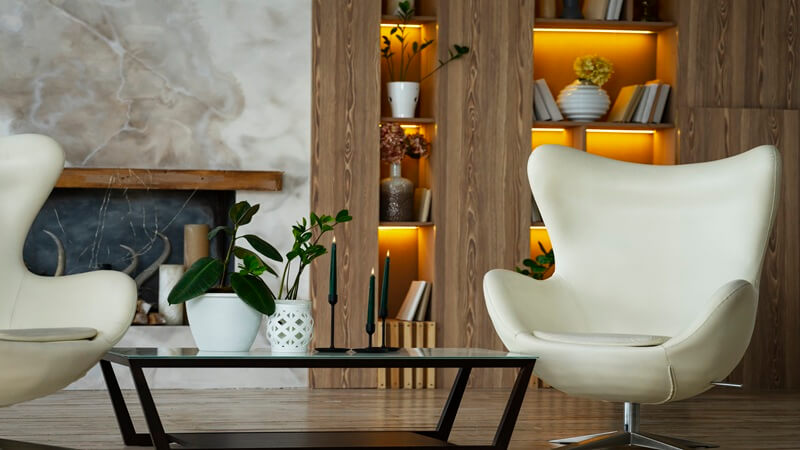

Luxury apartment amenities used to mean a polished lobby and a fitness room with a treadmill. That standard no longer carries much weight. Today’s renters are comparing convenience, security, wellness, work flexibility, and lifestyle support in one decision. For property managers, facility managers, and building owners, amenities are not decorative extras; they are part of the rental value equation. A strong amenity package helps justify premium rent, reduce turnover, and position the building as a place that solves daily friction, not just a place with attractive finishes.
As luxury apartment amenities become increasingly diverse, renters need smarter ways to find communities that match their preferences. Platforms such as RentCafe.com leverage AI-powered natural language search, enabling users to describe their ideal home and amenities in everyday language for a more intuitive search experience.
Amenities Should Solve Daily Friction
- Service Matters As Much As Style
The strongest luxury apartment amenities are the ones residents use often. A rooftop lounge may photograph well, but daily value often comes from package rooms, secure access, responsive maintenance, clean shared spaces, and reliable building systems. Renters notice whether the elevator operates smoothly, whether the gym is well-maintained, whether parking is easy, and whether common areas feel cared for after the leasing tour ends.
A renter comparing Jersey City Luxury Apartments for Rent is usually weighing more than square footage; they are looking at how well a building supports commuting, remote work, fitness, deliveries, guests, pets, and quiet time. That shift matters for owners and managers because amenities now influence both leasing speed and long-term resident satisfaction. The right features make the building feel easier to live in every day.
- Fitness Spaces Need Real Function
A luxury fitness room should feel like more than a spare room with equipment. Residents expect clean machines, usable floor space, strength training options, mirrors, ventilation, and enough room to exercise without crowding. A building does not need a resort-scale gym to make an impression, but it does need thoughtful layout and steady upkeep.
Fitness amenities also support retention. When residents can avoid paying another monthly membership fee, the apartment feels more valuable. Facility teams should treat the fitness area as an active operating space, not a one-time installation. Worn mats, broken machines, poor lighting, or empty sanitizer stations quickly reduce trust in the building’s wider management standards.
- Work Areas Are Now Core Amenities
Remote and hybrid work have changed what renters expect from luxury housing. A business lounge, coworking room, conference area, or quiet phone booth can make a building far more practical. Residents want spaces where they can take calls, focus away from the apartment, meet a client, or work during maintenance inside their unit.
The quality of these spaces matters. Fast internet, comfortable seating, good lighting, outlets, privacy, and clean surfaces are essential. A poorly planned work lounge can become wasted square footage. A well-run one can become one of the building’s most valuable leasing assets, particularly for residents who work from home several days a week.
- Outdoor Areas Should Feel Usable
Outdoor amenities remain a major draw, but they need purpose. Rooftop decks, courtyards, terraces, grilling stations, pool areas, and garden spaces should be designed for real use rather than simple visual appeal. Seating should be durable. Lighting should feel safe. Rules should be clear. Maintenance should be visible.
For building owners, outdoor areas can help create a stronger sense of community. Residents may not know every neighbor, but shared spaces can make the property feel more connected. That emotional connection supports lease renewals. However, outdoor amenities also require disciplined oversight. Noise, cleanliness, weather wear, and reservation systems all need consistent management.
- Security Features Shape Resident Confidence
Luxury renters expect comfort, but they also expect control. Secure entry systems, monitored access points, package protection, well-lit parking, visitor management, and clear emergency procedures all contribute to confidence. These features may not feel glamorous, yet they often influence whether residents feel comfortable renewing.
Security-related amenities should be easy to understand. A resident should know how guests enter, how deliveries are handled, how after-hours issues are reported, and how access credentials are managed. Confusion weakens confidence. Clear systems strengthen the perception that the property is professionally run.
Luxury Depends On Consistent Delivery
Amenities can help attract renters, but consistency keeps them. A beautiful lounge loses impact if it is always booked, dirty, or unavailable. A modern gym loses value if equipment stays broken. A concierge-style service promise fails if staff communication is slow or unclear.
The real measure of a luxury amenity package is whether it continues to perform after the lease is signed. Property managers and owners should view amenities as living assets that need attention, budgeting, and regular review. Resident expectations change, and buildings that adapt carefully will hold stronger appeal.
Luxury apartment amenities are no longer just selling points on a leasing page. They are practical signals of how well a building is operated. Renters expect comfort, convenience, safety, wellness, work support, and clean shared spaces that function consistently. For property managers, facility managers, and building owners, the priority is clear: choose amenities that improve daily life, maintain them with discipline, and communicate their value honestly. When amenities feel useful rather than ornamental, they become a powerful reason residents choose to stay.