Many property managers and building owners mistakenly assume that creating a beautiful, functional outdoor space requires constant upkeep. Lawns need mowing, plants need trimming, and weeds need to be pulled—often, the maintenance can feel like a never-ending task. However, landscape contractors can design and install outdoor spaces that require minimal upkeep without sacrificing beauty or functionality. By carefully selecting plants, materials, and designs, they can create environments that stay attractive year-round while reducing the time and money spent on maintenance.
Choosing Low-Maintenance Plants
- Selecting the Right Plants for Sustainability
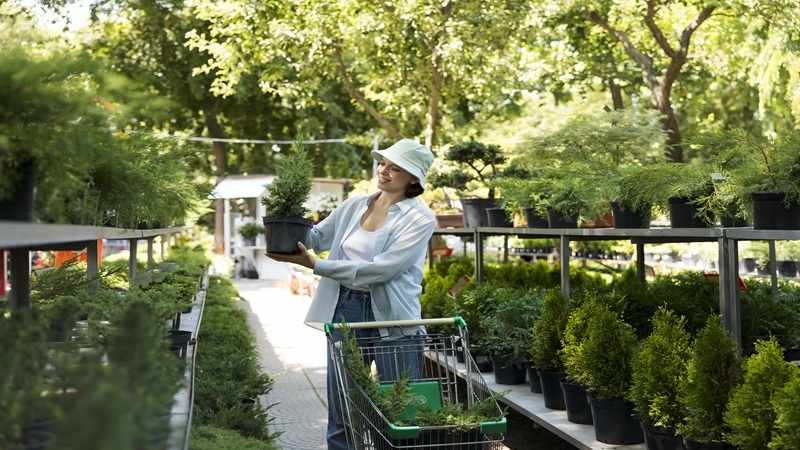
One of the first decisions landscape contractors make when creating low-maintenance outdoor spaces is selecting the right plants. The key to low-maintenance landscaping is choosing plants well-suited to the local climate that require minimal care once established. Drought-tolerant plants, native species, and low-maintenance groundcovers significantly reduce the need for frequent watering, fertilizing, and pruning.
Native plants, in particular, are an excellent choice. They are adapted to the local soil, temperature, and precipitation patterns, so they thrive with little intervention. They also provide habitat for local wildlife and require fewer pesticides and fertilizers. Contractors familiar with the local environment, such as those offering services through https://nassaupoolsandspas.com/landscaping/, can guide property managers in selecting plants that will flourish with minimal input.
- Choosing Plants Based on Function
Beyond appearance, contractors also consider the plants’ function. Groundcovers like clover or creeping thyme are effective for reducing soil erosion and suppressing weeds. Shrubs with a dense habit can create natural privacy barriers, reducing the need for fences that require maintenance. Meanwhile, ornamental grasses, which require little care once established, can create texture and movement in the landscape. By carefully selecting plants that offer multiple benefits, landscape contractors ensure that the outdoor space remains low-maintenance and functional.
- Installing Smart Irrigation Solutions
Watering is often the most labor-intensive aspect of maintaining an outdoor space, especially in areas where water is a limited resource. Fortunately, landscape contractors can install efficient irrigation systems that reduce both water consumption and maintenance requirements. Drip irrigation systems, for example, deliver water directly to plant roots, minimizing evaporation and runoff while ensuring plants receive the right amount of moisture.
Incorporating smart irrigation systems, which can be programmed to adjust watering schedules based on weather conditions, ensures that water is used efficiently. These systems often include sensors that can detect rainfall and adjust watering accordingly. As water restrictions become more common and environmental concerns grow, smart irrigation becomes a critical component in designing a low-maintenance outdoor space.
- Low-Maintenance Lawn Alternatives
For many properties, lawn care can be a significant drain on resources and time. Mowing, fertilizing, and reseeding are all labor-intensive tasks. Landscape contractors can minimize lawn care by incorporating low-maintenance lawn alternatives. Groundcovers such as moss, clover, or even artificial turf can provide greenery without the upkeep required for traditional grass.
Moss is an excellent option for shaded areas where grass struggles to grow, while clover requires minimal watering and maintenance. Artificial turf can be a great solution for high-traffic areas that need a consistent, green appearance but cannot support natural grass. By replacing some or all of the lawn with these alternatives, contractors can drastically reduce the maintenance load without sacrificing visual appeal.
- Mulching for Low-Maintenance Landscaping
Mulching is an often-overlooked yet highly effective strategy for creating a low-maintenance landscape. By covering the soil around plants with mulch, contractors help retain moisture, reduce weed growth, and keep the soil temperature stable. Mulch also improves soil structure by adding organic material as it decomposes. This reduces the need for frequent watering and weeding.
Contractors typically recommend organic mulches such as wood chips, bark, or shredded leaves, as they break down naturally and enrich the soil over time. For areas with high foot traffic, such as garden beds or around trees, stone or rubber mulch can reduce wear and tear while still providing the benefits of moisture retention and weed suppression.
- Incorporating Hardscape Elements
Hardscaping is the use of non-plant materials, such as stone, brick, or concrete, in landscaping design. While plants require ongoing maintenance, hardscaping elements need little to no upkeep once installed. Landscape contractors often use hardscaping to reduce the need for plants that require constant attention.
Patios, walkways, retaining walls, and outdoor kitchens are examples of hardscape elements that can enhance the functionality of an outdoor space. These features are especially valuable for properties that want to provide functional outdoor spaces without increasing the maintenance burden. For example, a stone pathway requires no mowing, weeding, or watering, and a retaining wall helps manage slopes without the need for constant erosion control.
- Landscape Design with Minimal Maintenance Needs
A minimalist landscape design reduces maintenance by limiting the variety of plants and features that require attention. Landscape contractors can create clean, simple designs that combine low-maintenance plants with durable hardscaping materials. This approach helps ensure that the space remains attractive and functional with less effort.
In addition, designing for the long term is important. While a lush garden may look beautiful initially, over time, some plants may become invasive or require more resources than expected. A simple design with a few carefully selected plants and hardscape elements can provide beauty without constant pruning or replacing. Contractors consider the long-term growth and maintenance requirements of every plant and feature before recommending them for installation.
- Selecting Durable Materials for Longevity
Another key aspect of creating a low-maintenance landscape is selecting durable materials. Weather-resistant, long-lasting materials such as treated wood, stone, concrete, and metals ensure that the outdoor space stays functional and attractive for years. Landscape contractors choose materials that will withstand local weather conditions, minimizing the need for repairs or replacements.
For instance, decking materials like composite lumber are more durable than wood, requiring less maintenance and fewer replacements. Similarly, high-quality pavers and bricks can last for decades without cracking or shifting, while also maintaining their aesthetic appeal. By using these materials, landscape contractors help property managers avoid the ongoing cost and effort of upkeep.
Creating Low-Maintenance Outdoor Spaces Pays Off
Landscape contractors play a pivotal role in helping property managers and building owners create low-maintenance outdoor spaces that are both functional and beautiful. Through careful plant selection, smart irrigation, durable materials, and strategic hardscaping, they design landscapes that require less ongoing attention. With the right design and maintenance plan, outdoor spaces can enhance a property’s value and enjoyment without burdening the owner with constant upkeep. By focusing on long-term sustainability and efficiency, landscape contractors create environments that are both aesthetically pleasing and cost-effective.