
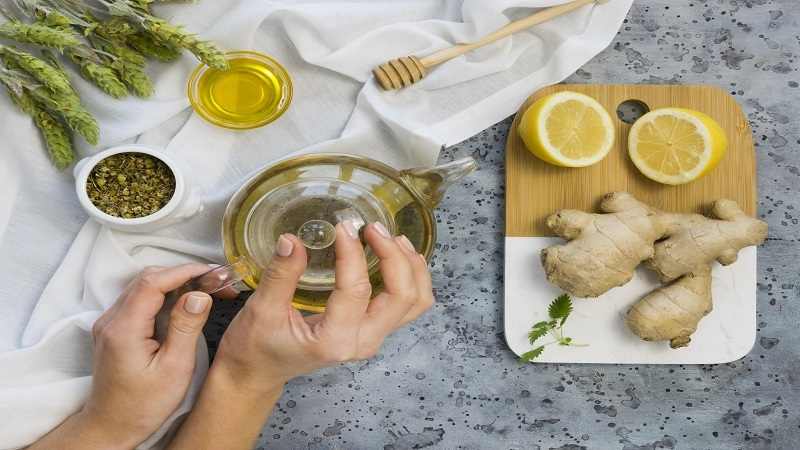
Herbal supplements are often used by people who want extra support for immune health, but their role should be understood carefully. They are not cures, replacements for medical care, or guarantees against illness. Instead, certain herbs may support normal immune function by helping the body respond to stress, seasonal changes, and daily wear and tear. Research on supplements varies widely, so results can differ by herb, dose, product quality, and personal health needs. A thoughtful approach matters because natural products can still strongly affect the body, especially when combined with medication or used without guidance.
How Herbs Fit Wellness
-
Supporting the Body’s Natural Defenses
Herbal supplements may play a supportive role by supplying plant compounds that interact with the body’s normal defense processes. Some herbs are used because they contain antioxidants, bitter compounds, polysaccharides, or other active plant compounds that may influence the inflammatory balance, respiratory comfort, or general wellness. This does not mean they “boost” immunity in a simple way; the immune system is complex, and stronger is not always better. A healthy immune response needs balance, not constant stimulation. People often look for guidance through a trusted website before choosing herbs, but product labels and marketing claims should still be read with caution. The most useful role for herbal supplements is usually as part of a wider routine that includes sleep, nutrient-rich meals, movement, hydration, and stress control. When those basics are missing, herbs alone are unlikely to make a meaningful difference.
-
Common Herbs Used for Immune Support
Several herbs are commonly linked with immune support, including echinacea, elderberry, garlic, ginger, astragalus, turmeric, and medicinal mushrooms. Echinacea is often used during the cold season, though research findings are mixed and depend on the form and timing of use. Elderberry is promoted for seasonal respiratory support, but it should be properly processed because raw plant parts can cause adverse effects. Garlic and ginger are used in many food traditions and may support general wellness through their natural plant compounds. Turmeric is often discussed for its anti-inflammatory properties, while astragalus has a long history in traditional wellness practices. These herbs are not all suited for every person. Some may interact with blood thinners, immunosuppressive medications, surgical plans, pregnancy considerations, or chronic conditions. That is why the value of herbal supplements depends not just on the herb, but also on safe use, correct timing, and personal health context.
-
Safety, Quality, and Realistic Expectations
The safety of herbal supplements depends on more than whether the ingredient comes from a plant. Dose, purity, preparation method, other ingredients, and the user’s health status all matter. Some products may contain more or less of an ingredient than expected, and some may include added compounds that are not readily noticeable without careful label review. People taking prescription medicine should be careful because herbs can affect how the body processes certain drugs. For example, some herbs may increase the risk of bleeding, affect blood pressure, influence blood sugar, or change how the liver processes medication. Another concern is unrealistic marketing. No herb can replace vaccines, medical treatment, rest, hygiene, or proper nutrition. Herbal supplements should be viewed as one possible support tool, not the main foundation of immune health. A cautious approach can help people gain possible benefits while reducing avoidable risks.
-
Building a Balanced Immune Routine
Herbal supplements work better when they are incorporated into a healthy daily routine rather than used as a quick fix. The immune system depends on steady habits, including regular sleep, enough protein, colorful fruits and vegetables, physical activity, and time to recover from stress. Herbs may fit into that pattern by helping some people feel more supported during seasonal changes or demanding weeks. For example, a person may use ginger tea for comfort, garlic in meals for overall wellness, or a short-term echinacea product during the cold season, after confirming it is suitable for them. The key is consistency and moderation. Taking many supplements at once can make it harder to know what is helping and what is causing side effects. A clear plan, simple product choices, and attention to the body’s response are more useful than following every new claim.
A Careful Role in Immune Health
Herbal supplements can have a place in immune wellness, but they work best as support rather than a cure or shield against illness. Their value depends on the herb, the product, the person using it, and the habits around it. Some may offer useful plant compounds, while others may provide little benefit or carry risks when used incorrectly. Choosing carefully, reading labels, avoiding exaggerated claims, and speaking with a qualified health provider when needed can make us safer. A balanced routine remains the stronger foundation for immune function, with herbs serving as an added layer. See more: betterthisworld.us