Modern homes rely on interconnected building systems that work together to maintain comfort, efficiency, and reliability throughout the year. Heating and plumbing systems are no longer treated as separate components because their functions often overlap within shared infrastructure. Water is commonly used as a heat-transfer medium, while pipes, valves, and control units serve both domestic water supply and temperature-regulation purposes. This overlap means that decisions made during installation can affect performance, energy use, and long-term maintenance needs.
Understanding how these systems interact helps homeowners and installers create more stable and efficient living environments. The relationship between heated water circulation, pressure control, and distribution networks forms the foundation of many modern residential designs.
Shared Home Infrastructure Overview
Heating and Water System Connection Points
Heating and plumbing systems intersect at several critical points within a home’s infrastructure. One of the most important connections is the shared use of piping networks that transport water for domestic use and distribute thermal energy. In many modern installations, heated water produced by a central unit is circulated through pipes that may also supply domestic hot water. This dual-purpose design requires careful planning to ensure pressure balance and consistent temperature levels. The materials used in piping must withstand both thermal expansion and constant water flow without degrading over time.
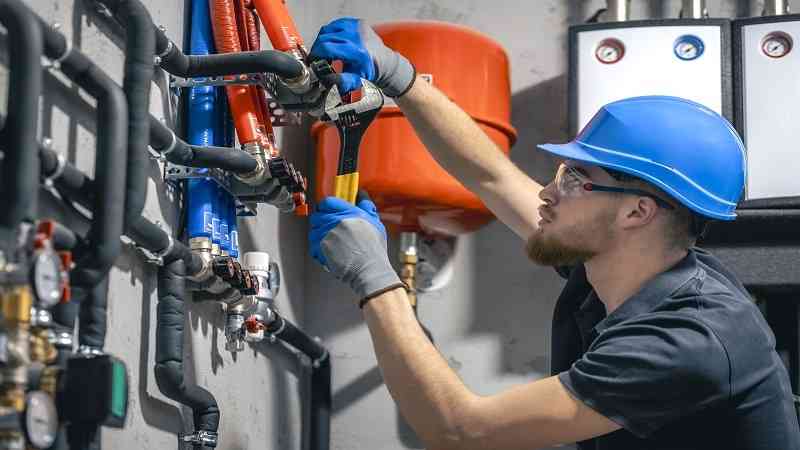
Additionally, control valves and thermostatic regulators play an essential role in separating or combining functions as demand dictates. These components help ensure that water intended for heating does not interfere with everyday household usage. Proper coordination between these systems allows homeowners to experience consistent heating performance while maintaining a reliable water supply across kitchens, bathrooms, and utility areas.
Integrated Heating and Plumbing Design in Homes
Modern residential construction often incorporates integrated systems that reduce redundancy and improve energy efficiency. In many cases, water heaters, boilers, and distribution manifolds are designed to serve both plumbing fixtures and heating circuits simultaneously. This integration allows heated water to be redirected based on demand, reducing the need for separate heating units. It also supports more compact mechanical room layouts, which are especially useful in urban housing where space is limited. System designers must account for temperature fluctuations, water pressure variations, and seasonal usage changes when planning these installations. Insulation around pipes becomes important to prevent heat loss, while circulation pumps ensure that water reaches its destination efficiently.
A coordinated design also reduces strain on individual components, thereby extending the system’s lifespan. In practice, professional coordination is often required to align plumbing routes with heating system requirements, especially in multi-story buildings where gravity and pressure differences can affect performance. HVAC Contractor in Quincy, MA | Heating & Plumbing plays a role in aligning these interconnected systems during installation planning.
Boiler Systems and Dual Function Performance
Boiler-based systems are one of the clearest examples of heating and plumbing interaction in residential environments. A boiler heats water, which is then distributed either to radiators, underfloor heating systems, or domestic taps, depending on configuration. This dual-function capability makes boilers central to many modern home installations. The internal mechanisms regulate water temperature and pressure to ensure safe and consistent delivery across both heating and plumbing supply parts applications. When demand for hot water increases, such as during a shower, the system must temporarily adjust the distribution of heat without compromising comfort in other areas of the home.
This balancing act requires precise calibration of thermostats and flow controls. Additionally, sediment buildup and mineral deposits can affect both heating efficiency and water quality if not properly maintained. Engineers must therefore design systems that allow easy access for cleaning and servicing. The integration of heating and plumbing through boilers demonstrates how shared water resources can be efficiently managed within a single system.
Pipe Networks and Heat Transfer Efficiency
Pipe networks serve as the backbone of both heating and plumbing systems, carrying water throughout the structure while supporting temperature regulation. The efficiency of these networks depends on pipe material, diameter, insulation quality, and layout design. In heating applications, pipes transfer thermal energy from the source to different areas of the home. In plumbing applications, they ensure consistent water delivery for daily use. When both systems share piping infrastructure, careful separation or zoning is often required to prevent performance conflicts. Heat loss is a major concern, especially when pipes run through uninsulated spaces such as basements or exterior walls.
Insulated piping helps maintain temperature consistency while reducing energy consumption. Additionally, expansion joints are often installed to accommodate thermal expansion and contraction without damaging the structure. Proper pipe routing also reduces strain on pumps and improves overall system balance. The interaction between heating flow and plumbing distribution highlights the importance of precise engineering in modern home installations.
Control Systems and Energy Management
Control systems play a major role in managing the interaction between heating and plumbing functions within a home. Thermostats, flow sensors, and automated valves help regulate how water is distributed and heated in response to real-time demand. These systems allow homeowners to prioritize either space heating or domestic water usage without manual adjustments. In advanced setups, digital controllers monitor temperature variations and adjust system output accordingly, improving energy efficiency and reducing waste. This level of control ensures that heating systems do not overwork when plumbing demand is high, and vice versa. Smart home integration further enhances this balance by allowing remote monitoring and scheduling of heating cycles.
Energy management becomes more precise when systems can respond dynamically to usage patterns throughout the day. Proper calibration of these controls is essential to avoid inefficiencies such as overheating or delayed water delivery. When designed correctly, control systems create a seamless interaction between heating and plumbing functions, supporting both comfort and sustainability.
Maintenance and System Longevity Considerations
Maintaining combined heating and plumbing systems requires attention to both shared and independent components. Regular inspection of pipes, valves, and heating units helps prevent issues such as leaks, blockages, and pressure imbalances. Because these systems rely on interconnected water flow, a problem in one area can quickly affect overall performance. Scale buildup is another common concern, especially in regions with hard water, as it can reduce both heating efficiency and plumbing flow rates. Flushing systems periodically helps maintain smooth operation and extends equipment lifespan.
Seals and joints should also be checked for wear, as temperature fluctuations can cause gradual material fatigue. Preventive maintenance ensures that both heating and plumbing systems continue operating efficiently without unexpected breakdowns. Proper servicing schedules also help identify early signs of inefficiency, allowing for timely corrections before major repairs are needed. When properly maintained, integrated systems provide long-term stability and consistent performance for all household water and heating needs.
The interaction between heating and plumbing systems in modern homes reflects a growing emphasis on integrated design and efficient resource management. Rather than operating independently, these systems share infrastructure, components, and control mechanisms that influence overall performance. From boilers and piping networks to advanced control systems, each element contributes to a balanced environment in which water and heat are carefully regulated.
This interconnected structure requires thoughtful planning during installation and consistent maintenance to ensure long-term reliability. As residential designs continue to evolve, the relationship between heating and plumbing will remain central to creating comfortable, efficient, and sustainable living spaces for homeowners across different building types and climates. See more: betterthisworld.us