
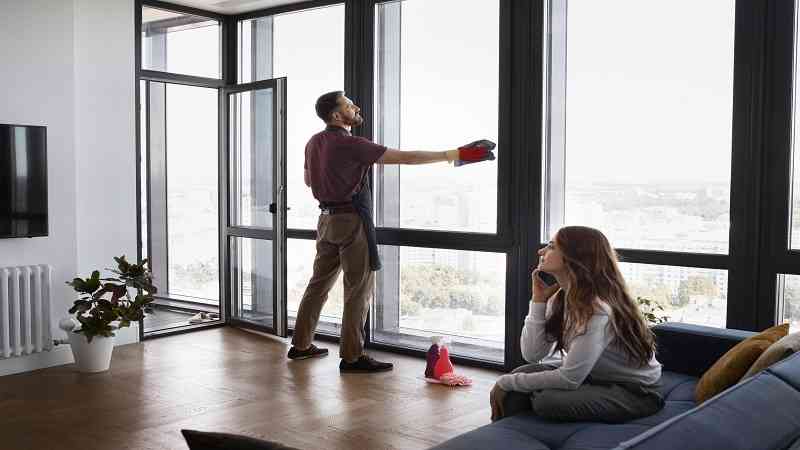
Old windows can quietly waste energy every season. Gaps, weak seals, thin glass, and aging frames allow indoor air to escape while outdoor temperatures enter the home. This causes heating and cooling systems to run longer than necessary, increasing utility costs and reducing comfort. Window replacement services can improve energy efficiency by upgrading glass, frames, seals, and installation quality. Newer windows help create a stronger barrier between indoors and outdoors, making rooms feel steadier throughout the day. For many homeowners, this upgrade supports lower energy use, quieter spaces, and a more comfortable living environment year-round.
Where Energy Savings Begin
-
Reducing Air Leaks Around the Home
One of the main ways window replacement services improve energy efficiency is by reducing air leakage. Older windows often develop small gaps around frames, sashes, locks, and seals. These gaps may not look serious, but they can allow conditioned air to escape and outside air to enter. During winter, warm indoor air can leak out, forcing the heating system to work harder. During summer, hot outdoor air can enter, making cooling equipment run longer. Replacement windows are designed to close more tightly and fit more securely when installed correctly. Proper sealing around the frame also matters because even a new window can waste energy if the surrounding opening is not handled well. When air leaks are reduced, rooms can stay closer to the thermostat setting, drafts become less noticeable, and the home may feel more balanced without constant adjustments.
-
Improving Glass and Frame Performance
Modern replacement windows often use improved glass packages and stronger frame designs to slow heat transfer. Features such as double-pane or triple-pane glass, low-emissivity coatings, insulated frames, and gas fills between panes can help reduce the amount of heat moving through the window. This matters because windows are one of the most common areas where energy loss occurs. A company such as Harley Exteriors may be considered by homeowners seeking window upgrades that improve indoor comfort and energy control. The frame material also plays an important role, as older frames may warp, rot, loosen, or conduct heat more readily. Better frame construction helps the window stay stable and sealed through weather changes. When the glass and frame work together, the window becomes more than a view outside. It becomes part of the home’s energy barrier, helping heating and cooling systems operate with less strain.
-
Supporting HVAC Efficiency
Window replacement can also help heating and cooling equipment perform more efficiently. When old windows allow drafts and heat transfer, the HVAC system has to compensate. It may run longer cycles, turn on more often, or struggle to maintain steady temperatures in rooms near windows. This extra workload can increase energy bills and may also add wear to system components over time. New windows help reduce the uneven heating and cooling caused by weak glass and poor seals. As a result, the HVAC system may maintain comfort with less effort. This does not mean windows solve every energy problem on their own, but they can be a major part of a better home-performance plan. When combined with insulation, air sealing, and regular HVAC maintenance, replacement windows can help create a more efficient and comfortable indoor environment.
-
Increasing Comfort in Daily Living
Energy efficiency is not only about monthly utility costs. It also affects how a home feels during daily use. Old windows can create cold spots in winter and overheated areas in summer. Rooms with large or aging windows may feel uncomfortable even when the thermostat says the temperature is correct. Replacement windows can reduce drafts, limit heat gain, and make rooms feel more stable. They can also help reduce outside noise, which adds to the comfort of bedrooms, living rooms, and work areas. Better windows may also reduce condensation when the correct products are chosen and installed properly. Less condensation can help protect window trim, paint, and nearby surfaces from moisture-related damage. When rooms feel more comfortable, homeowners may rely less on space heaters, fans, and frequent thermostat changes, which can further support energy savings.
Long-Term Value From Better Windows
Replacing old windows can improve home energy efficiency by reducing air leaks, slowing heat transfer, supporting HVAC performance, and creating more stable indoor comfort. The value of the upgrade depends on window quality, proper installation, and the condition of the home’s existing openings. When installed carefully, new windows can help reduce energy waste while making rooms quieter and easier to heat or cool. They can also improve the appearance and function of the home. For homeowners dealing with drafts, high energy bills, or aging windows, replacement services can be a practical long-term improvement. See more: betterthisworld.us