
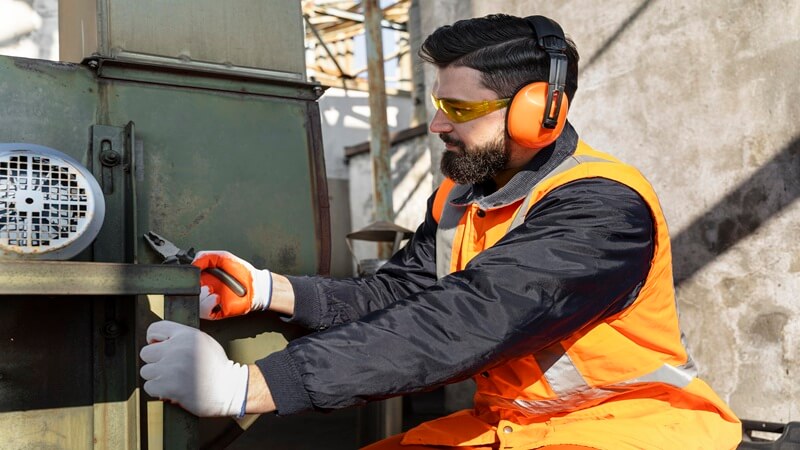
Heating systems in the Pacific Northwest operate under very specific environmental pressure due to persistent rainfall, high humidity, and fluctuating temperatures. These conditions gradually influence how heating equipment performs, especially when moisture begins to affect electrical components, ductwork, and ventilation pathways. Regular inspections help identify hidden wear that may not be obvious during daily operation but can slowly reduce system reliability over time. Contractors examining these systems focus on moisture impact, airflow balance, safety controls, and efficiency performance.
The goal is to ensure heating units continue to function steadily despite damp surroundings, which can accelerate corrosion or clog internal components if not addressed in time.
Key Inspection Focus Areas
-
Moisture Exposure and Component Integrity
During heating system inspections in the Pacific Northwest, one of the first areas contractors evaluate is how moisture has interacted with the system’s internal and external components. Persistent rain and humid air can lead to condensation buildup around metal surfaces, electrical connections, and ventilation ducts. Over time, this exposure may cause corrosion or loosen electrical wiring, which can affect system stability. Inspectors often check furnace cabinets, heat exchangers, and surrounding insulation to ensure no dampness has compromised their structural integrity.
Even small amounts of moisture intrusion can gradually lead to rust formation or reduced heating efficiency. Air leakage points are also reviewed because humid air entering ductwork can create uneven heating patterns throughout a building. Ensuring that all protective seals remain intact helps maintain consistent performance and reduces the risk of long-term damage in wet environments.
-
Airflow Performance and Distribution Balance
Airflow evaluation is another major focus during inspections because consistent heat distribution becomes more challenging in damp climates, where ducts may experience condensation or partial blockages. Contractors examine blower motors, air filters, and duct pathways to determine whether air is moving evenly throughout the system. Inconsistent airflow can cause certain rooms to feel colder or warmer than others, signaling underlying issues within the heating setup. The presence of moisture can also lead to dust accumulation that restricts airflow and forces the system to work harder than necessary.
This is where a technician might recommend cleaning or adjusting specific components to restore balance. In some cases, airflow sensors are tested to ensure they are accurately detecting pressure changes within the system. An HVAC contractor in Vancouver often pays close attention to how local humidity patterns influence duct performance, especially in older homes where insulation may not fully support modern heating demands.
-
Electrical System Stability and Safety Checks
Electrical components in heating systems require close inspection because exposure to moisture can increase the risk of short circuits or inconsistent power delivery. Contractors carefully inspect wiring connections, control boards, and safety switches to ensure everything is secure and functioning correctly. In rainy environments, even slight humidity penetration can weaken electrical insulation over time. This makes it important to check for signs of fraying wires, loose terminals, or overheating components that may indicate strain.
Thermostats are also evaluated to ensure they are accurately communicating with the heating unit. Safety systems, such as automatic shut-off switches, are tested to confirm that they respond properly under fault conditions. These inspections help prevent unexpected system failures during cold and wet periods when heating demand is high. Maintaining electrical stability is essential for long-term system performance, especially in regions where moisture levels remain consistently elevated throughout much of the year.
-
Heat Exchanger Condition and Efficiency Monitoring
The heat exchanger is one of the most critical components in any heating system, and it receives detailed attention during inspections. Contractors look for cracks, corrosion, or buildup that may affect heat-transfer efficiency or pose safety concerns. In rainy Pacific Northwest conditions, moisture can accelerate wear on metal surfaces, especially when combined with fluctuating indoor temperatures. A compromised heat exchanger can reduce system efficiency and increase energy consumption, making early detection important.
Technicians often use visual inspection tools and diagnostic tests to evaluate the unit’s condition without dismantling it. Efficiency monitoring is also performed to determine whether the system is producing adequate heat output relative to energy input. If discrepancies are found, adjustments or repairs may be recommended to restore proper function. Maintaining a stable and clean heat exchanger ensures that the system continues operating safely and efficiently throughout wet seasonal cycles.
-
Ventilation Pathways and Exhaust Flow Assessment
Proper ventilation is essential for the safe operation of heating systems, particularly in environments where rain and moisture can affect exhaust pathways. Contractors inspect flue pipes, vent terminals, and exhaust fans to ensure gases are being safely directed outside the building. Blockages caused by debris, moisture buildup, or corrosion can restrict airflow and create safety risks. In the Pacific Northwest, heavy rainfall can sometimes allow water intrusion into external vent openings, which must be carefully assessed during inspections. Technicians ensure that vent caps are secure and that drainage systems around exhaust outlets are functioning properly.
They also evaluate whether condensation is forming inside vent pipes, which could indicate insulation issues or improper installation. Maintaining clear and effective ventilation pathways helps prevent system strain and ensures safe combustion processes. Proper exhaust flow also helps maintain indoor air quality during extended heating system use in damp weather.
-
System Controls and Thermostat Accuracy
Heating system controls, including thermostats and digital management units, play a significant role in maintaining consistent indoor comfort. Contractors check these controls to ensure they respond accurately to temperature changes and communicate properly with the heating system. In humid environments, control systems may occasionally experience calibration drift or delayed response due to environmental stress. Technicians test temperature readings against actual room conditions to verify accuracy. If discrepancies are found, recalibration may be necessary to restore proper function. Additionally, programmable settings are reviewed to ensure they align with user preferences and energy efficiency goals.
Control wiring is also inspected for signs of moisture exposure or corrosion that could interfere with signal transmission. Reliable system controls help maintain consistent heating cycles, reducing unnecessary strain on equipment. This becomes especially important during long rainy seasons, when heating systems operate more frequently and require precise regulation to maintain indoor comfort.
Heating system inspections in rainy Pacific Northwest conditions require careful attention to moisture effects, airflow balance, electrical stability, and structural efficiency. Contractors focus on identifying early signs of wear that may not yet impact daily performance but could develop into larger issues if ignored. Each component, from ventilation pathways to insulation layers, plays a role in maintaining consistent, safe operation in damp environmental conditions.
Regular evaluation helps ensure that systems continue to function efficiently despite exposure to persistent rain and humidity. By addressing small issues early, heating systems remain more reliable, energy use stays under control, and indoor comfort is maintained throughout the region’s changing seasonal conditions.