
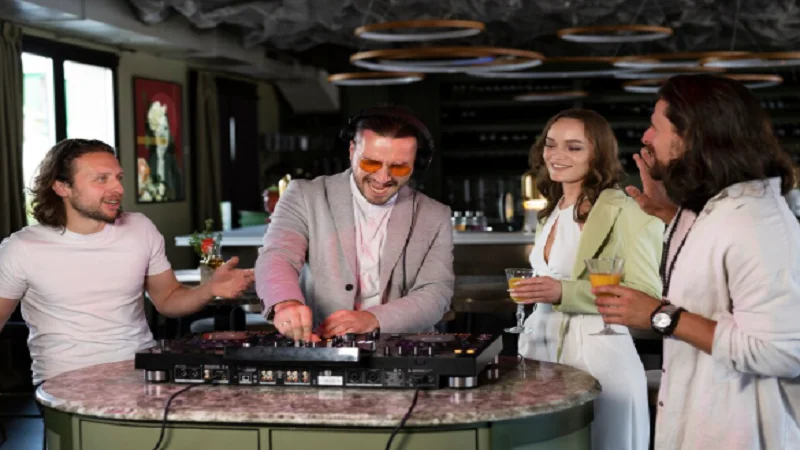
A DJ plays music, but the setting completely changes how that role is performed. Weddings, clubs, and private parties all demand different levels of planning, interaction, and musical awareness. While all DJs work with sound systems, tracks, and crowd energy, the expectations placed on them vary widely depending on the event. A wedding requires emotional sensitivity and structured timing, a club focuses on continuous dance energy, and a party often sits somewhere in between with flexible pacing.
Understanding these differences helps explain why a DJ cannot simply switch environments without adjusting their approach, communication style, and music selection strategy.
Understanding the Role Differences
How Wedding DJ Sets Differ from Other Events
A wedding DJ operates in a highly structured environment where timing and coordination matter as much as music selection. Unlike club settings where the DJ can extend or shorten sets based on crowd reaction, weddings follow a pre-planned schedule that includes speeches, entrances, dinner service, and formal dances. Every musical moment is often tied to a specific emotional milestone, such as the first dance or cake-cutting, and requires careful attention to transitions. This makes the role more collaborative, as the DJ frequently communicates with planners, photographers, and venue staff to ensure smooth flow throughout the day.
Even when adapting to crowd energy, a wedding DJ must stay aligned with the event timeline. A Wedding DJ in Newcastle may also need to adapt to venue restrictions, cultural traditions, and family expectations, all while maintaining a seamless musical atmosphere that supports each stage of the celebration.
Music Selection and Audience Sensitivity
A club DJ typically focuses on maintaining a high-energy dance floor with minimal interruption, often mixing tracks in long, continuous sets designed for nightlife audiences. In contrast, wedding DJ work requires a broader musical approach that caters to multiple generations attending the same event. The playlist might shift from classic love songs during formal dances to upbeat hits that appeal to younger guests later in the evening. A wedding DJ must also be mindful of lyrical content, ensuring that songs remain appropriate for family-friendly moments.
This level of sensitivity is less critical in club environments, where the audience shares a similar expectation of the nightlife experience. Additionally, reading a wedding crowd involves balancing emotional tone with celebration energy, making the selection process more nuanced and responsive to shifting moods throughout the event.
Interaction with Guests and Event Flow
Club DJs usually maintain a performance-focused presence, interacting minimally with guests and concentrating on mixing techniques and sound delivery. Their role is often about building rhythm and sustaining momentum rather than guiding an event structure. Wedding DJs, however, often take on a more interactive role, acting as informal hosts who guide guests through different segments of the celebration. This may include making announcements, introducing speakers, or coordinating special dances. The communication style must remain warm and clear, ensuring guests understand what is happening without disrupting the atmosphere.
At private parties, interaction may be casual and flexible, but weddings demand a more polished and organized approach. The DJ effectively becomes part of the event coordination team, ensuring that transitions between formal moments and dance segments feel natural and well-timed for all attendees.
Equipment Setup and Technical Requirements
While all DJs rely on sound equipment, lighting, and mixing tools, the setup requirements vary significantly between weddings, clubs, and private parties. Club venues are typically pre-equipped with professional sound systems, lighting rigs, and booth setups designed for continuous use. DJs in these environments often bring only personal controllers or software setups. Wedding DJs, on the other hand, must often transport and set up full systems, including speakers, speech microphones, and lighting suitable for both indoor and outdoor venues.
Flexibility becomes essential, as each wedding location may present different acoustics and spatial challenges. Power availability, layout constraints, and weather conditions can also affect setup decisions. This makes technical preparation a larger part of the job, requiring careful planning to ensure sound quality remains consistent throughout the ceremony and reception.
Reading the Crowd and Adapting Energy
Club DJs are constantly adjusting their sets based on crowd reaction, often using beatmatching and transitions to maintain a continuous dance environment. Their goal is usually to sustain high energy for extended periods, sometimes over several hours. Wedding DJs also read the crowd, but their interpretation of energy is more layered. They must consider the emotional flow of the entire event, from sentimental moments during speeches to lively dancing later in the evening.
This requires switching between different musical moods without disrupting the overall experience. Unlike clubs, where crowd uniformity is expected, weddings bring together diverse age groups and varying musical preferences in the same space. Managing this diversity means blending genres carefully and timing tempo shifts so that all guests feel included and engaged throughout the celebration.
Event Coordination and Responsibility Levels
A club DJ primarily focuses on performance, while venue staff handles logistics such as scheduling, lighting adjustments, and guest flow. In contrast, wedding DJs often work closely with coordinators and vendors to ensure the entire event runs smoothly. They may be responsible for cueing entrances, managing microphone use, and adjusting timelines if certain parts of the event run longer than expected. This coordination role places additional responsibility on the DJ beyond music selection.
Private parties may share some of these elements, but weddings demand a higher level of precision due to the significance of each moment. The DJ becomes part of the event’s backbone, ensuring that key experiences unfold without confusion or delay. This requires strong organizational awareness and the ability to remain calm under changing circumstances while keeping guests engaged.
Emotional Tone and Atmosphere Management
Club environments are designed for high energy, nightlife excitement, and continuous movement, often with lighting and sound systems built to enhance intensity. Party DJs may also lean into energetic atmospheres, but they typically have more flexibility in shaping the mood. Wedding DJs, however, must manage a wide emotional spectrum throughout the day. The atmosphere shifts from sentimental ceremonies to joyful celebrations, requiring careful control of pacing and music tone.
Each transition must feel natural and respectful of the moment. The DJ’s ability to balance emotional sensitivity with entertainment value becomes essential in creating a memorable experience. Unlike club settings, where repetition and rhythm dominate, weddings rely on storytelling through music, where each track contributes to a broader emotional journey shared by guests and the couple.
While DJs in weddings, clubs, and parties all work with music and audience engagement, the expectations placed on each role differ significantly. A club DJ thrives on continuous energy and spontaneous mixing, while a party DJ blends flexibility with casual interaction. A wedding DJ operates in a more structured and emotionally layered environment, where timing, coordination, and sensitivity play a major role in shaping the experience.
Each setting demands a different balance of technical skill and crowd awareness. Weddings, in particular, require careful attention to emotional flow and event structure, making the role both detailed and dynamic. Understanding these differences highlights how versatile DJ work can be across various social and entertainment settings.
See more: betterthisworld.us