
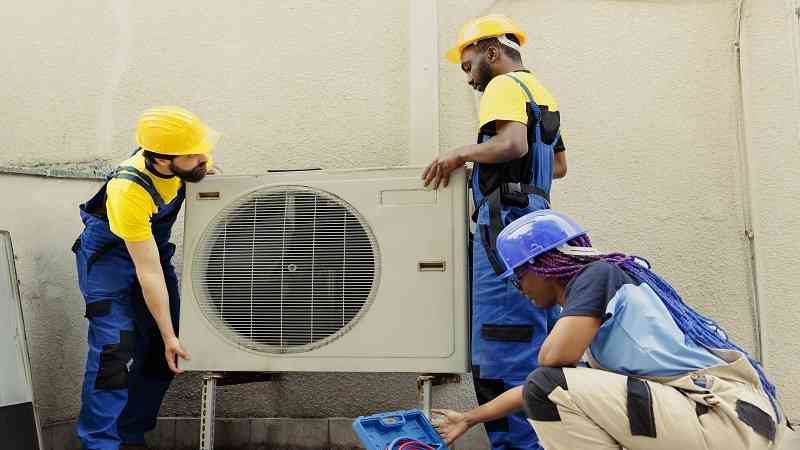
Building renovations and retrofits often focus on aesthetics and structural improvements, yet mechanical systems play an equally important role in determining comfort, efficiency, and long-term functionality. Heating, ventilation, and air conditioning systems must adapt to new layouts, updated materials, and changing occupancy demands. Without proper attention to these systems, even well-designed renovations may fall short in performance and comfort.
HVAC services ensure that airflow, temperature control, and energy use align with the updated structure. They also help prevent inefficiencies that could arise from outdated or mismatched equipment. Proper planning during the renovation stages supports smoother operations and improved overall building performance.
HVAC Role in Renovations Overview
-
Aligning HVAC Systems With Structural Changes
During building renovations, structural modifications such as removing walls, adding extensions, or changing room functions significantly affect how air moves through a space. HVAC systems must be reassessed to ensure that ducts, vents, and returns still distribute air evenly. If these elements are not adjusted, some areas may become over-conditioned while others remain uncomfortable. Renovation work also introduces new materials that can affect insulation levels and heat retention, requiring adjustments to heating and cooling output.
Proper HVAC planning ensures that airflow patterns match the updated architecture rather than relying on outdated configurations. This process often involves re-evaluating duct routes, recalibrating system pressure, and adjusting thermostat zoning. Without these updates, occupants may experience inconsistent temperatures and reduced comfort levels. Effective HVAC alignment during structural changes helps maintain system balance while supporting the building’s new design intent.
-
Improving Energy Performance During Upgrades
Renovation projects provide an opportunity to improve energy performance, and HVAC systems play a central role in achieving that goal. Older systems often consume more power due to outdated components and inefficient distribution methods. Upgrading or modifying HVAC systems during retrofits helps buildings reduce unnecessary energy consumption and improve overall efficiency. Modern controls, variable-speed motors, and improved filtration systems can all contribute to lower operational costs and better temperature regulation.
In many cases, energy modeling is used to predict how HVAC adjustments will influence long-term usage patterns. Elk Grove HVAC Services can assist property owners in identifying system inefficiencies during renovation planning and aligning upgrades with current building demands. These improvements not only reduce utility expenses but also enhance occupant comfort by maintaining more stable indoor conditions. When energy performance is addressed alongside structural upgrades, the building benefits from a more balanced and sustainable operation.
-
Maintaining Healthy Indoor Air Quality
Renovations often introduce dust, debris, and volatile compounds that can temporarily reduce indoor air quality. HVAC systems must be properly managed during and after construction to ensure these contaminants are effectively filtered and removed. Air handling units may require upgraded filtration or temporary protection during construction phases to prevent clogging and damage. Once renovation work is complete, ventilation systems must be tested to confirm that fresh-air circulation is adequate and evenly distributed.
Changes in building layout can also create stagnant air zones if ventilation is not adjusted accordingly. Proper HVAC servicing helps maintain healthy indoor environments by regulating humidity levels and ensuring continuous airflow. This becomes especially important in occupied buildings where renovation work occurs in stages. A well-maintained HVAC system supports occupant well-being by reducing airborne irritants and maintaining consistent air exchange throughout the space.
-
Recalculating Load Requirements and System Sizing
When a building undergoes renovation or retrofit, its heating and cooling demands often change significantly. Adding new rooms, changing ceiling heights, or upgrading insulation materials can alter the amount of energy required to maintain comfortable temperatures. HVAC professionals must recalculate load requirements to ensure the system is neither undersized nor oversized. An undersized system struggles to maintain comfort, while an oversized one cycles too frequently, leading to inefficiency and uneven temperature control.
Load recalculation involves evaluating square footage, occupancy levels, and material changes to determine the correct system capacity. Adjustments may include resizing equipment, modifying ductwork, or upgrading control systems. Proper system sizing ensures that energy is used efficiently while maintaining consistent indoor conditions. Without this step, renovated buildings may face ongoing performance issues that undermine the benefits of the renovation itself.
-
Meeting Updated Codes and Compliance Standards
Building renovations must comply with current mechanical and energy codes, which often differ from those in place when the original HVAC system was installed. These regulations are designed to improve safety, efficiency, and environmental performance. HVAC systems must therefore be evaluated and adjusted to meet updated requirements, including ventilation rates, refrigerant standards, and energy-efficiency thresholds. Failure to comply can result in project delays, fines, or required rework.
During retrofits, HVAC adjustments ensure that systems meet both local regulations and broader sustainability goals. Compliance also affects long-term building value, as properly updated systems are more attractive to tenants and buyers. Ensuring adherence to modern standards helps create safer, more efficient indoor environments while supporting the property’s long-term viability. This makes code alignment a crucial part of any renovation project involving mechanical systems.
-
Coordinating HVAC With Other Construction Work
Renovation projects involve multiple contractors working simultaneously, including electricians, plumbers, and structural teams. HVAC systems must be carefully coordinated with these other trades to avoid conflicts and delays. For example, duct routes may need to be adjusted to accommodate new plumbing lines or electrical conduits. Poor coordination can lead to rework, increased costs, and project inefficiencies. Effective communication between teams ensures that HVAC components are installed in harmony with other building systems.
This coordination also helps optimize space usage within ceilings, walls, and mechanical rooms. Scheduling HVAC installation at the correct stage of renovation is equally important to prevent damage and ensure proper integration. When all construction elements are aligned, the final result is a more efficient and cohesive building system that operates smoothly across all functions.
-
Supporting Long-Term Performance and Maintenance Planning
HVAC services during renovations are not only about immediate adjustments but also about long-term system performance. Renovated buildings require updated maintenance plans that reflect new system configurations and usage patterns. Regular inspections, filter replacements, and system tuning help maintain efficiency and prevent unexpected breakdowns. Modern HVAC systems may also include smart controls that allow for ongoing performance monitoring, making it easier to detect inefficiencies early.
Planning for maintenance during the renovation phase ensures that future operational costs remain manageable. It also extends the lifespan of equipment by preventing unnecessary strain caused by improper setup. When long-term performance is considered alongside renovation planning, building owners benefit from more reliable comfort systems and reduced repair needs over time.
HVAC services play a critical role in ensuring that building renovations and retrofits achieve their full potential. Beyond visual improvements, mechanical systems determine how efficiently a building operates and how comfortable it feels for occupants. From adjusting airflow to recalculating load requirements and meeting updated codes, HVAC planning supports every stage of the renovation process.
Coordination with other construction teams ensures smooth integration, while attention to indoor air quality and energy performance enhances the building’s overall value. When HVAC systems are properly evaluated and adjusted during renovations, the result is a more balanced, efficient, and sustainable indoor environment that supports both present and future needs.