
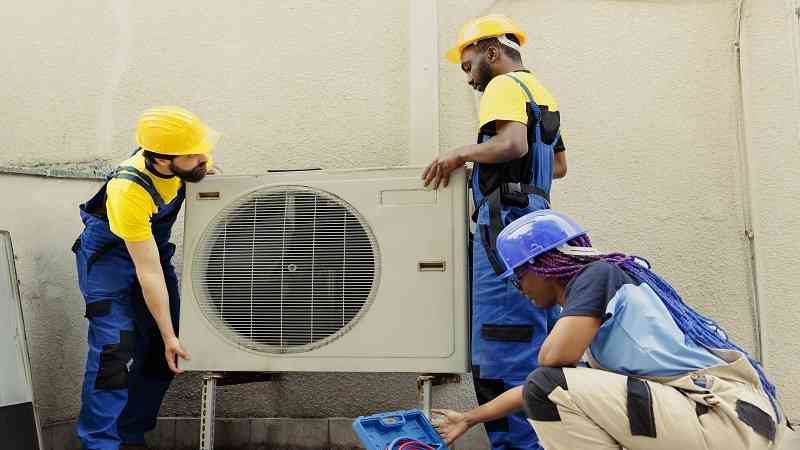
HVAC maintenance is critical to system performance, efficiency, and longevity, yet some components often receive less attention than they deserve. Homeowners often focus on filters, thermostats, and general airflow, while small but important elements may go uninspected. Overlooked parts can lead to efficiency losses, equipment strain, higher energy bills, and unexpected breakdowns. Paying attention to all components, even those out of sight or seemingly minor, ensures a more reliable system. Regular, thorough inspection by trained technicians can uncover early signs of wear or failure, preventing costly repairs later and maintaining comfort year-round.
Less Noticed Parts That Matter
- Inspecting Drain Lines, Coils, and Electrical Connections
Drain lines, coils, and electrical components are often overlooked during HVAC service visits, but these areas are critical to system performance. Condensate drain lines can become clogged with algae, dust, or debris, causing water backup and potential damage to walls, floors, or indoor units. Dirty evaporator and condenser coils reduce heat transfer, forcing the system to work harder and decreasing energy efficiency. Electrical connections, relays, and capacitors may loosen or wear out over time, creating intermittent operation or even complete shutdowns. Many homeowners learn about these issues only when a system stops working. Technicians often post detailed service notes on the company website that show the importance of monitoring these hidden components. Proper attention to these elements helps prevent damage, extend system life, and maintain consistent indoor comfort without surprise outages or emergency repairs.
- Refrigerant Levels and Leaks
Another often overlooked part of HVAC maintenance is the refrigerant system. Low refrigerant levels or undetected leaks can decrease cooling efficiency, increase energy costs, and place stress on compressors. Refrigerant is vital for heat exchange, so even minor deficiencies can cause uneven temperatures, frozen coils, or overheating. Detecting leaks or low charge early helps maintain system performance and prevents costly component failure. Technicians measure pressures, temperature differences, and sometimes inspect for oil residues or signs of seepage around connections. While homeowners may not notice performance changes immediately, gradual refrigerant loss can reduce comfort and lead to more serious issues if left unaddressed. Regular checks help maintain stable cooling and heating efficiency.
- Ductwork and Airflow
Ductwork is another commonly overlooked area during maintenance. Even a well-maintained unit will perform poorly if the duct system has leaks, blockages, or disconnected sections. Air escaping from ducts increases energy usage, reduces comfort, and strains the HVAC system as it tries to reach desired temperatures. Dust and debris inside ducts can also reduce indoor air quality, triggering allergies or respiratory discomfort. Technicians often inspect duct joints, insulation, airflow, and room balance to ensure optimal system performance. Homeowners may notice uneven heating or cooling, loud vents, or high bills, but these symptoms are often attributed to the HVAC unit rather than the ducts themselves. Addressing duct issues during maintenance can dramatically improve efficiency and comfort.
- Blower Motors and Fans
Blower motors and fans are critical for circulating air, yet they are frequently overlooked. Worn belts, misaligned blades, dirty motors, or failing bearings can reduce airflow, create noise, and place stress on other system components. Reduced airflow affects the distribution of heating and cooling and can make thermostats less accurate at maintaining set temperatures. Regular cleaning, lubrication, and inspection during maintenance ensure that fans operate efficiently and quietly. Homeowners may not notice subtle performance declines until airflow becomes noticeably weak, but early intervention prevents additional strain on motors, compressors, and other equipment. Consistent attention to these moving parts supports long-term system durability and energy savings.
- Thermostats and Controls
Thermostats and control systems are also often overlooked. Even when a unit is running correctly, inaccurate or poorly calibrated thermostats can lead to inconsistent temperatures, short cycling, and wasted energy. Some advanced thermostats may have software or connectivity issues that affect operation, and minor control wiring problems can reduce system responsiveness. During maintenance, technicians can calibrate thermostats, verify programming, and test control boards to ensure accurate communication with the HVAC unit. Proper control functionality helps maintain comfort, efficiency, and predictable energy usage throughout the year. Neglecting these systems can make the HVAC unit appear underperforming even if the hardware is functioning correctly.
Attention to Detail Protects Performance
The most overlooked parts of HVAC maintenance, including drain lines, coils, electrical components, refrigerant systems, ductwork, blower motors, and control systems, can significantly impact comfort, energy costs, and system longevity. Regular inspection and maintenance of these areas prevents hidden problems from escalating into emergency repairs or inefficient operation. Homeowners who rely solely on filter changes or surface-level checks may not realize the long-term value of thorough maintenance. Attention to these often-missed elements ensures the system runs smoothly, reduces energy waste, and maintains reliable comfort throughout the home. Complete HVAC care means looking beyond visible components to safeguard year-round performance.