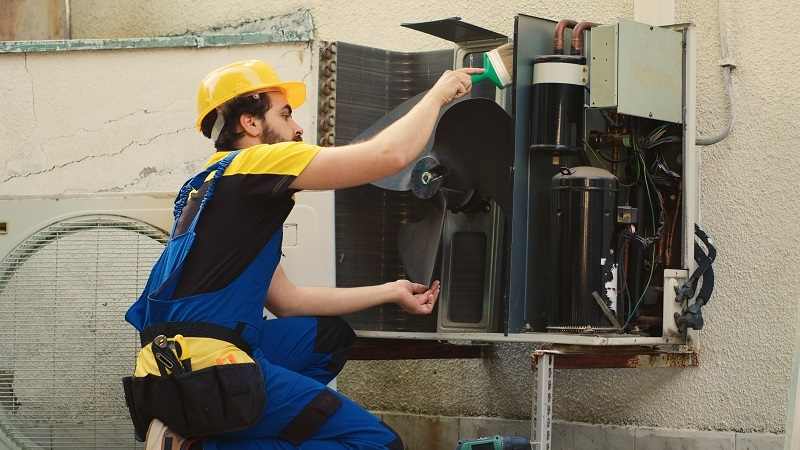
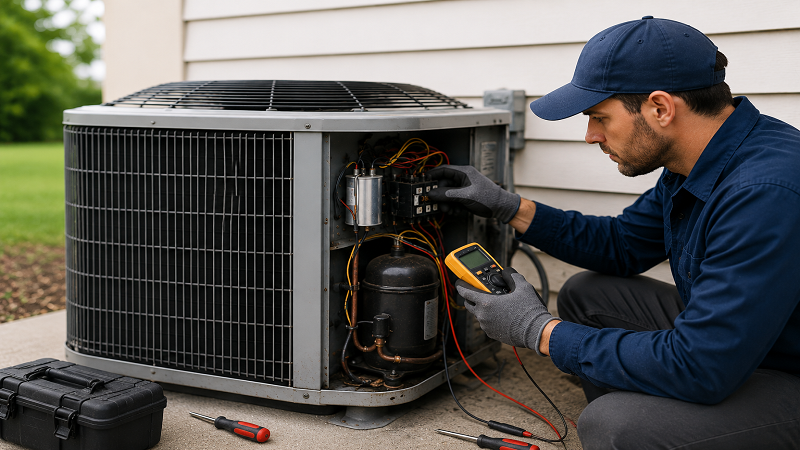
The compressor is often regarded as the core of an air conditioning system because it circulates refrigerant and drives the cooling cycle. When it begins to weaken, the entire system shows unusual behavior that can gradually worsen if not addressed. Many homeowners notice subtle changes in cooling performance long before the unit stops working completely, but these early indicators are frequently ignored or misunderstood.
Recognizing these warning signs early can help prevent sudden breakdowns and reduce the risk of costly system damage. Understanding how compressor issues develop makes it easier to respond before the situation becomes more serious.
Key Warning Signs Explained Below
1. Weak Cooling Performance and Irregular Operation
One of the earliest indicators that an air conditioner compressor may be nearing failure is a noticeable drop in cooling efficiency. The system may still run, but the air coming from the vents feels warmer than expected or takes much longer to cool a room. This happens because the compressor is struggling to maintain proper pressure in the refrigerant cycle, which directly affects how heat is removed from indoor air. In many cases, homeowners may assume the issue is minor or related to filters, but the root cause is often deeper within the system.
In some situations, people may contact an Air Conditioner Repair Company in Lenapah after noticing these symptoms persist even after basic maintenance. Another sign of weak cooling is uneven temperature distribution, where some rooms feel comfortable while others remain warm, indicating inconsistent refrigerant flow caused by compressor strain.
2. Strange Noises and Mechanical Strain
A compressor approaching failure often produces unusual sounds not present during normal operation. These sounds may include rattling, clanking, buzzing, or low humming that becomes louder over time. Such noises typically indicate that internal components are loosening or that electrical issues are affecting the motor’s function. As the compressor works harder to maintain cooling pressure, the added strain causes vibrations that travel through the unit and become audible. These noises should not be ignored, especially if they persist or intensify when the system cycles on and off. Over time, continued mechanical stress can cause internal damage that further reduces efficiency.
In some cases, the compressor may attempt to start but fail repeatedly, producing a clicking sound that signals electrical or capacitor-related problems. This progression often shows that the unit is no longer operating smoothly and may be heading toward complete breakdown if not addressed in time.
3. Frequent Cycling and Electrical Irregularities
Another common sign of compressor decline is short cycling, where the air conditioner turns on and off more frequently than normal. This irregular operation places additional stress on the system because the compressor must repeatedly restart under pressure. Over time, this repeated cycling can cause overheating and increased wear on electrical components. The issue may be linked to failing capacitors, overheating motor windings, or refrigerant imbalances that make it difficult for the compressor to maintain steady operation.
When this happens, the system struggles to complete full cooling cycles, leading to inconsistent indoor temperatures. Homeowners may also notice flickering lights or tripped breakers when the unit starts, which may indicate an electrical overload in the compressor circuit. These patterns are often early warnings that the system is no longer operating within its designed performance range and may soon require significant repair or replacement if the underlying cause is not corrected.
4. Rising Energy Consumption and Reduced Efficiency
A failing compressor often requires more energy to produce the same level of cooling, resulting in noticeably higher electricity bills. This happens because the system must work harder and longer to compensate for internal inefficiencies. As internal components wear out, the compressor loses its ability to compress refrigerant effectively, forcing it to run continuously without achieving desired results. This constant operation not only increases energy usage but also accelerates further wear on the system. Many homeowners first become aware of the issue when they notice a steady increase in utility costs without any change in usage habits.
In addition to higher energy consumption, cooling cycles may feel weaker or slower, indicating that the compressor is struggling to maintain proper pressure levels. This inefficiency is often a strong signal that internal damage is progressing and that the system is no longer operating at its intended capacity.
5. Overheating and Shutdown Events
When a compressor begins to fail, overheating becomes a frequent issue that can trigger automatic shutdowns of the entire air conditioning system. This occurs because the unit’s safety mechanisms are designed to prevent further damage when temperatures rise beyond safe limits. Overheating can be caused by restricted airflow, low refrigerant levels, or internal mechanical friction that increases heat production. As the compressor struggles to operate, it may shut down unexpectedly during peak usage, leaving indoor spaces uncomfortable and with inconsistent temperatures.
These shutdowns often become more frequent as the condition worsens, signaling that the system can no longer regulate its operating temperature effectively. In severe cases, the compressor may fail to restart until it cools down completely, creating long gaps in cooling availability and indicating significant internal stress that requires immediate attention.
6. Reduced Airflow and System Imbalance
Another noticeable sign of compressor deterioration is reduced airflow accompanied by an overall system imbalance. While airflow issues can sometimes be linked to duct problems or clogged filters, a failing compressor can also contribute to weak air distribution throughout the system. When the compressor cannot maintain proper refrigerant pressure, the cooling process becomes uneven, affecting how air circulates between rooms. This imbalance often causes certain areas to feel noticeably warmer than others, even when the system is running continuously.
Over time, the strain placed on the compressor can worsen airflow inconsistencies and reduce the system’s ability to maintain steady performance. The imbalance may also cause longer cooling cycles, in which the system runs for extended periods without reaching the desired temperature, further indicating internal inefficiency. These signs together often point toward deeper mechanical issues within the compressor that should not be ignored.
A failing air conditioner compressor rarely stops working without warning, and the signs typically develop gradually through changes in performance, sound, and energy usage. Weak cooling, unusual noises, frequent cycling, rising energy costs, overheating, and uneven airflow all point toward internal stress within the system. When these symptoms begin to appear together, they indicate that the compressor is struggling to maintain proper function and may be nearing complete failure.
Addressing these issues early can help prevent more extensive damage to the entire air conditioning system. Paying attention to these warning signs allows for timely action before a full breakdown occurs, ensuring more stable and reliable cooling performance in the long term.