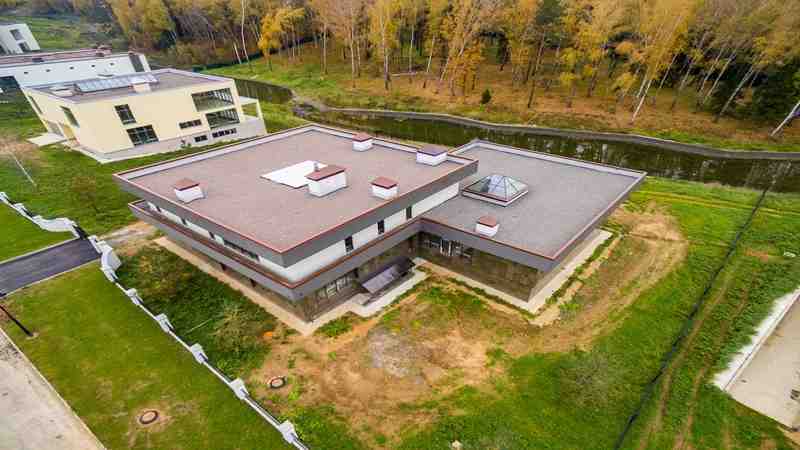
Single storey extensions are the most popular way homeowners add space. You’re extending back or to the side. You’re adding one level of living area. Understanding what single storey extensions cost, or learning when you need Planning Permission, helps you plan realistically. Single storey extension solve real space problems for families.
What Is a Single Storey Extension
The extension connects to your existing house. It shares foundations with the main building. The roof connects to the existing roof structure. Inside, it flows naturally from existing rooms.
Single storey extensions typically add a kitchen extension with dining space, living rooms, bedrooms, or offices. They transform how homes function. They solve the problem of cramped kitchens or small living areas.
The structure is relatively straightforward. Foundations support the new walls. The roof provides weather protection. Walls provide the enclosure. Windows and doors provide light and access.
Single storey extensions can be simple rectangular additions or more complex wrap-around designs using side garden space. The basic principle remains the same. You’re adding usable floor area at ground level.
Extensions typically range from 15 to 50 square meters. Smaller extensions add modest space. Larger extensions transform properties significantly.
The visual impact is moderate. Single storey extensions are less visually dominant than double storey. They often get Planning Approval more easily because the visual change is manageable.
Single Storey Extension Costs and Budget Factors
Costs vary significantly by region and by specific circumstances.
In London, single storey extensions typically cost 1800 to 2500 per square meter. For a 30 square meter extension, construction might run 54000 to 75000. Add professional fees at 10 to 15 percent. Add contingency at 10 percent. Total project cost probably runs 70000 to 95000. Outside London, costs are significantly lower.
Planning Permission vs Permitted Development
Many single storey extensions qualify for Permitted Development. This avoids Planning Permission entirely. For Permitted Development to apply, specific conditions must be met. Rear extensions must be a maximum four meters deep. Terraced properties have three meter limits. Extensions can’t exceed 50 percent of the original garden area. Height must not exceed existing house eaves height.
If your extension meets these conditions, you don’t need Planning Permission. Building Regulations approval is still required. But Planning Permission isn’t.
If your extension exceeds any limits, Planning Permission is needed. This takes 8 to 12 weeks typically. You submit plans to the council. They review and approve or refuse.
In London, Conservation Areas affect these rules. Listed buildings almost always need Planning Permission. Understanding your specific property’s rules matters.
Get professional assessment to determine whether your extension qualifies for Permitted Development.
Design Ideas for Single Storey Extensions
Design options are varied. Kitchen-dining extensions open up the back of properties. They combine cooking space with dining and entertaining areas.
Living room extensions add comfortable lounge space. They create flow from existing living areas.
Bedroom extensions add sleeping space. Ground floor bedrooms work for aging homeowners or additional guest rooms.
Office extensions create dedicated workspace separate from the main house. Growing in popularity post-pandemic.
Garden room extensions blur the line between indoors and outdoors. Glass extensions maximize light and views.
Wrap-around extensions use side garden space. They create L-shaped additions adding significant space.
Good design respects existing building character. Materials should match. Proportions should work. The extension should look intentional, not added.
Roof design matters.
They manage projects professionally. Site visits happen regularly. Quality is monitored. Problems are addressed. You know what’s happening.
They deliver what they promise. On budget. On time. Quality completed.
For your single storey extension, Extension Architecture provides the expertise you need. They understand your neighborhood. They design solutions that work. They manage the entire process professionally.