Small living spaces come with real design challenges. Limited square footage forces you to think carefully about layout, storage, and visual balance. Without a plan, even a stylish apartment can feel cramped or cluttered. The good news is that smart design choices can completely shift how a room feels and functions. When you approach a compact space strategically, you can create comfort, flow, and visual appeal without adding a single extra square foot.
Today, more people are choosing smaller homes for flexibility, affordability, and simplicity. That shift has pushed designers to rethink traditional layouts and focus on efficiency. Instead of filling rooms with excess furniture, the emphasis is now on intention. Every piece needs a role. Every corner needs a purpose. When you start thinking this way, small spaces become easier to manage and far more enjoyable to live in.
Designing With Intention: Maximizing Every Square Foot
Intentional design starts with clarity. Before buying furniture or choosing décor, define how you actually use the space each day. Do you work from home? Host dinners? Need extra storage? When you align design decisions with daily habits, the layout naturally improves. Focus on clear pathways and avoid overcrowding. Choose fewer, better pieces that support function while maintaining a clean, cohesive look.
The Psychology of Color: Expanding Space With Light and Neutral Palettes
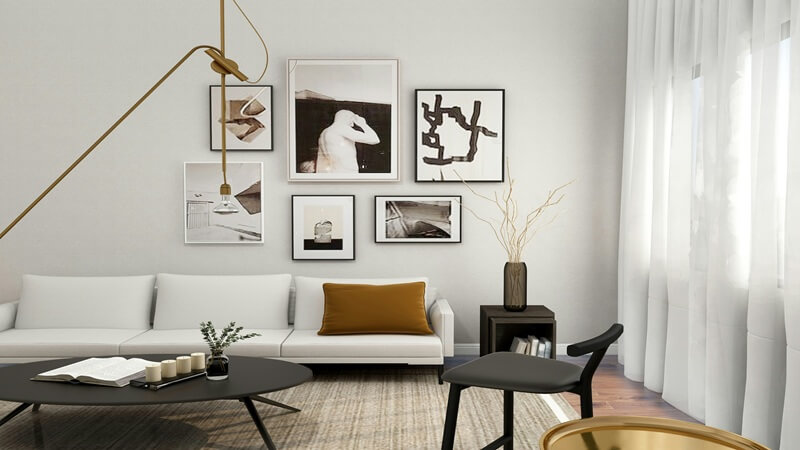
Color directly affects how large or small a room feels, especially in compact spaces. When designing beautiful tiny homes, light and neutral palettes help visually expand the room and soften sharp lines. Soft whites, warm taupes, and pale grays create a sense of openness without feeling sterile. Keeping contrast subtle helps prevent visual breaks that can make the room feel smaller.
Think Vertical: Elevating Design Beyond Eye Level
Many people overlook wall height in small spaces. Vertical storage instantly increases function without taking up floor area. Install tall shelving, hang curtains higher than the window frame, and use elongated furniture pieces to draw the eye upward. This strategy creates the impression of height and keeps valuable floor space clear for movement.
Multi-Functional Furniture: The Power of Double-Duty Pieces
In a compact home, furniture must work harder. A storage ottoman can hold blankets while acting as seating. A fold-down desk creates a workspace without permanently claiming square footage. These choices keep the space efficient without sacrificing style.
The Mirror Effect: Creating Depth and Amplifying Light
Mirrors do more than reflect your outfit before you head out. When placed strategically, they make a room feel larger and brighter. Position a mirror across from a window to bounce natural light deeper into the space. Choose a larger mirror instead of several small ones to avoid visual clutter. You can also use mirrored or glass-front furniture to keep the room feeling open and less visually heavy.
Zoning Techniques: Defining Areas in a Studio Layout
Open layouts can feel chaotic without clear structure. Zoning helps you assign purpose to each area without building physical walls. Use area rugs to separate a living space from a dining or sleeping area. Lighting also helps define function, so hang a pendant over the dining table and use a floor lamp near seating. Slim shelving units can divide space while still allowing light to pass through.
Decluttering as Design: Embracing Minimalist Aesthetics
Clutter quickly overwhelms a small room. Instead of constantly reorganizing, reduce what you keep. Edit your belongings regularly and focus on items you use or truly enjoy. Keep surfaces mostly clear and store everyday essentials out of sight. Closed cabinetry, baskets, and uniform containers create a calm visual rhythm. A streamlined space not only looks better but also feels easier to maintain.
Layered Lighting: Avoiding Flat and One-Dimensional Spaces
Relying on one overhead fixture makes a room feel flat. Layer your lighting to create depth and flexibility. Combine ambient ceiling lights with task lighting for reading or cooking. Add accent lights such as wall sconces or table lamps to highlight specific areas. Dimmer switches give you control over mood and function throughout the day, which makes even a small space feel dynamic.
Statement Pieces: Creating a Focal Point in Small Rooms
Even small rooms benefit from a strong focal point. A bold artwork, sculptural chair, or textured accent wall can anchor the space. The key is balance. Keep surrounding elements simple so the statement piece stands out without overwhelming the room. When you control visual hierarchy, the space feels intentional rather than crowded.
Designing for a small space requires clarity and discipline. Focus on purposeful layouts, light-enhancing color palettes, vertical storage, and furniture that works overtime. Use mirrors, smart zoning, and layered lighting to create dimension. Keep clutter in check and select one or two standout elements for personality. With thoughtful choices, even the most compact home can feel refined, functional, and genuinely comfortable.