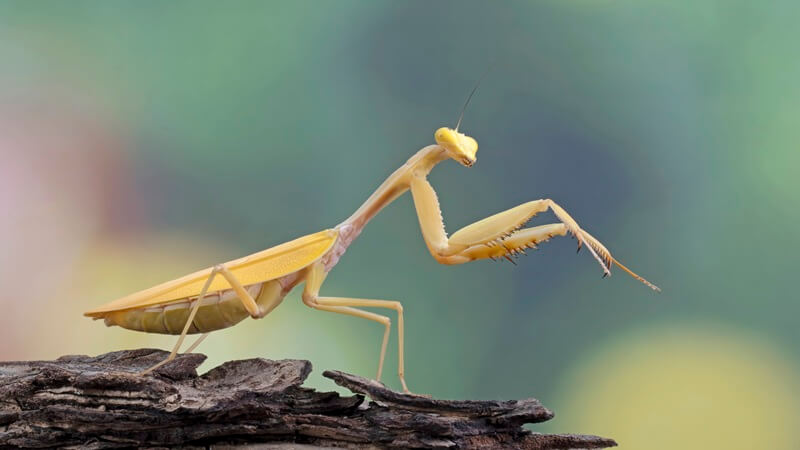
The term celestial mantis has taken over social media feeds, digital art galleries, and tattoo portfolios in recent years. At first glance, it looks like a rare, otherworldly insect with glowing wings, lotus petals, and divine energy. However, when you dig deeper, you discover something fascinating: most celestial mantis images are not real insects at all. They are AI-generated creations, digital artworks, or symbolic tattoo concepts inspired by the mysterious nature of praying mantises.
In this comprehensive guide, we will explore what the celestial mantis truly represents, how it became viral, whether such a creature exists in nature, and how it connects to real mantis species, mythology, music, and modern art. Along the way, we will answer common questions about mantises, including the rarest species, whether their bites are dangerous, and the myths surrounding them.
What Is a Celestial Mantis?
The phrase celestial mantis usually refers to:
-
Viral AI-generated insect images
-
Fantasy creatures with lotus flower elements
-
Digital artwork combining spirituality and entomology
-
Tattoo designs with black-and-gray realism
-
A music track by Saïph on Bandcamp
In most cases, people use the term to describe a surreal, glowing mantis that looks divine or cosmic. These designs often feature:
-
Radiant wings
-
Halo-like structures
-
Lotus blossoms
-
Celestial backgrounds
-
Symmetrical, sacred geometry patterns
Although it looks realistic at first, no scientific classification recognizes a species called celestial mantis. The name belongs to art, imagination, and internet culture.
How Did the Celestial Mantis Go Viral?
The rise of AI image generators played a major role. Once artists and content creators began experimenting with prompts like “divine mantis with lotus petals” or “cosmic praying mantis,” visually stunning creatures started appearing online.
Because mantises already look alien and mysterious, adding celestial elements made them even more captivating. Social media users quickly shared these images, and the phrase celestial mantis became a trending keyword.
Furthermore, people love blending nature with spirituality. The mantis has long symbolized patience, focus, and awareness. When artists combined that symbolism with cosmic imagery, they created something powerful and visually unforgettable.
Is There a Real Celestial Mantis in Nature?
Scientifically speaking, no. However, several real mantis species look so extraordinary that they could easily inspire the idea of a celestial mantis.
The Rarest Mantis: Metallyticus splendidus
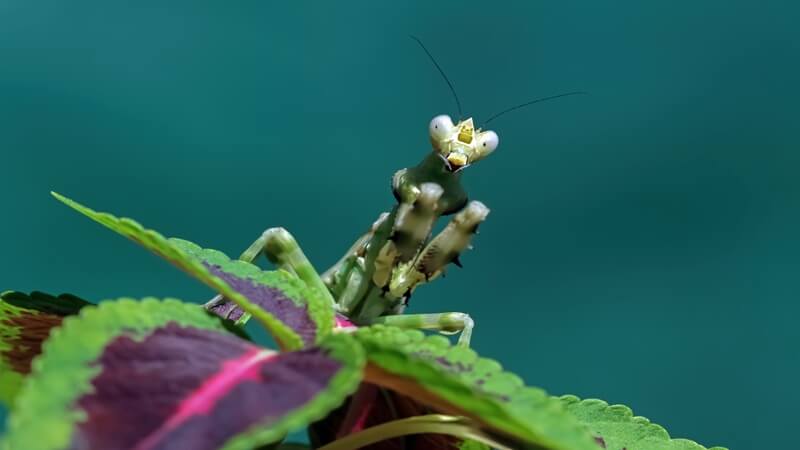
If you are searching for the rarest type of mantis, scientists often point to Metallyticus splendidus, informally called the iridescent bark mantis. This rare species lives in Southeast Asia and displays a metallic, shimmering body.
Its reflective exoskeleton gives it a magical appearance, which easily fuels fantasy interpretations. While it is not a celestial mantis, its natural iridescence makes it feel almost supernatural.
The Devil’s Flower Mantis: Nature’s Illusionist
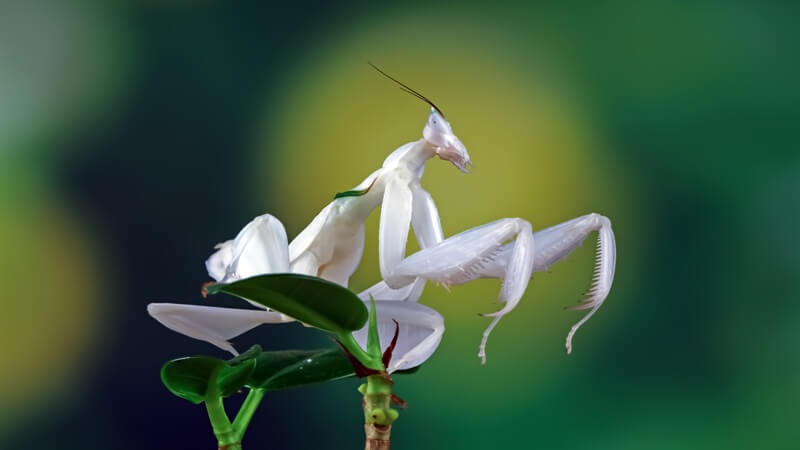
Another species that often inspires celestial-style artwork is Idolomantis diabolica, commonly known as the Devil’s Flower Mantis.
This species is real and belongs to the Empusidae family. It has:
-
Flower-like limbs
-
Vibrant pink and white colors
-
Dramatic defensive displays
When it spreads its wings, it looks like a blooming flower. Therefore, artists frequently blend its shape with lotus imagery to create celestial mantis visuals.
Is a Peacock Mantis Shrimp the Most Powerful Mantis?
Many people confuse mantises with mantis shrimp. The famous Peacock mantis shrimp is not a true mantis at all. It is a marine crustacean.
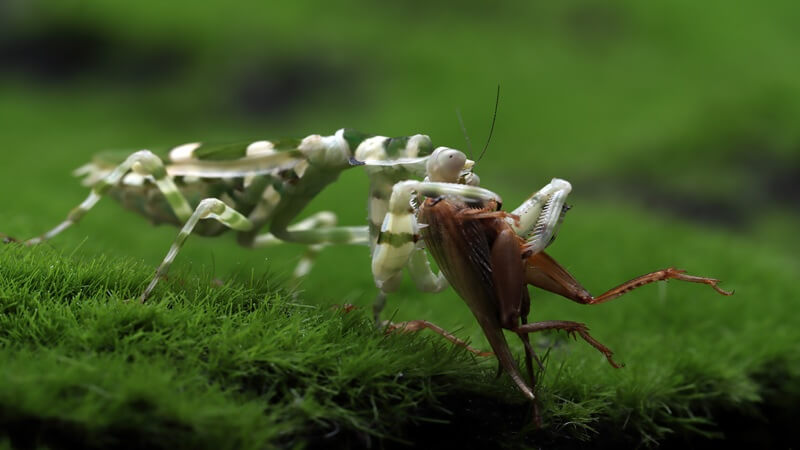
The peacock mantis shrimp delivers one of the fastest and strongest strikes in the animal kingdom. It can smash shells with extreme force. However, it lives in the ocean and belongs to a different biological group entirely.
Still, its vibrant rainbow coloring and explosive power contribute to the mystical aura surrounding mantis-like creatures online.
Are Praying Mantis Bites Dangerous?
People often worry about mantis bites. However, you can relax.
If a praying mantis bites you, you will usually feel:
-
A sharp pinch
-
Mild discomfort
-
Possible minor skin break
Praying mantises do not inject venom. They do not transmit diseases through bites. Therefore, serious injury remains rare.
Although the celestial mantis appears intimidating in digital art, real mantises pose very little threat to humans.
What Is the Longest-Lived Bug?
While mantises live for about one year, the longest-lived insect record belongs to the Buprestis aurulenta.
This beetle can remain in its larval stage for up to 47 years. However, adults live only a few months. Meanwhile, ants and termites hold records for long adult lifespans in certain colonies.
This fact highlights something important: mantises are fascinating predators, but they are not the longest-living insects.
Celestial Mantis in Music and Culture
The term also appears in music. The electronic artist Saïph released a track titled “Celestial Mantis” on Bandcamp.
In music, the name evokes:
-
Mystery
-
Cosmic energy
-
Dark ambient atmosphere
-
Spiritual symbolism
Artists often choose such names to create an emotional mood rather than describe a literal insect.
The Symbolism of the Celestial Mantis
Even though the celestial mantis does not exist biologically, it carries strong symbolic meaning.
1. Patience and Stillness
Mantises wait quietly before striking. Therefore, they symbolize focus and mindfulness.
2. Transformation
Because mantises molt and change as they grow, they represent rebirth and evolution.
3. Spiritual Awareness
In some cultures, mantises symbolize intuition and inner calm.
When you combine these traits with celestial imagery, you create a symbol of cosmic awareness and spiritual precision.
Celestial Mantis in Tattoo Art
Tattoo artists frequently design celestial mantis tattoos in black-and-gray realism. These tattoos often feature:
-
Sacred geometry
-
Lotus flowers
-
Shading gradients
-
Fine-line detailing
The mantis appears poised in a prayer-like stance. Meanwhile, the lotus represents purity and enlightenment.
Together, they create a balanced spiritual design that appeals to people who value symbolism and aesthetic depth.
Is Killing a Praying Mantis Illegal?
Many people believe mantises are legally protected everywhere. However, laws vary by country.
In most regions:
-
Killing a praying mantis does not result in legal consequences.
-
Mantises are not globally endangered.
That said, mantises help control pest populations naturally. Therefore, it is better to relocate them instead of harming them.
Thanos: Titan or Celestial?
Some internet discussions compare cosmic mantis art to fictional celestial beings like Thanos.
In the Marvel Cinematic Universe:
-
Thanos is called “The Mad Titan.”
-
He is not classified as a Celestial.
This comparison shows how pop culture influences the use of the word “celestial.” People often associate the term with cosmic power rather than biological classification.
Are Rainbow Lotus and Celestial Themes Real?
Artists often include rainbow lotus flowers in celestial mantis imagery. While rainbow micro lotus varieties exist in specialty gardens, glowing rainbow lotuses in space-themed art remain artistic interpretations rather than scientific realities.
This blending of real plants with fantasy lighting effects enhances the mystical feeling of the celestial mantis concept.
Why the Celestial Mantis Captures Attention
The celestial mantis trend thrives because it combines:
-
Real insect anatomy
-
Spiritual symbolism
-
AI-generated creativity
-
Social media virality
-
Mythical aesthetics
Furthermore, mantises already look alien. Their triangular heads and rotating necks give them a science-fiction appearance. When digital artists amplify those traits, they create a creature that feels both believable and otherworldly.
Final Thoughts
The celestial mantis stands at the crossroads of biology, digital art, and internet culture. Although no scientific species carries that name, the concept draws inspiration from real mantises like Metallyticus splendidus and Idolomantis diabolica. It also connects to music, tattoo culture, and viral AI imagery.
Ultimately, the celestial mantis represents imagination fueled by nature. It shows how humans reinterpret real creatures through creativity and technology. While mantises remain fascinating predators in the natural world, the celestial version lives in art, symbolism, and digital storytelling.
If you encounter glowing mantis images online, remember: you are witnessing creativity at work. Nature inspired it, technology shaped it, and culture amplified it.
For more info visit BetterThisWorld