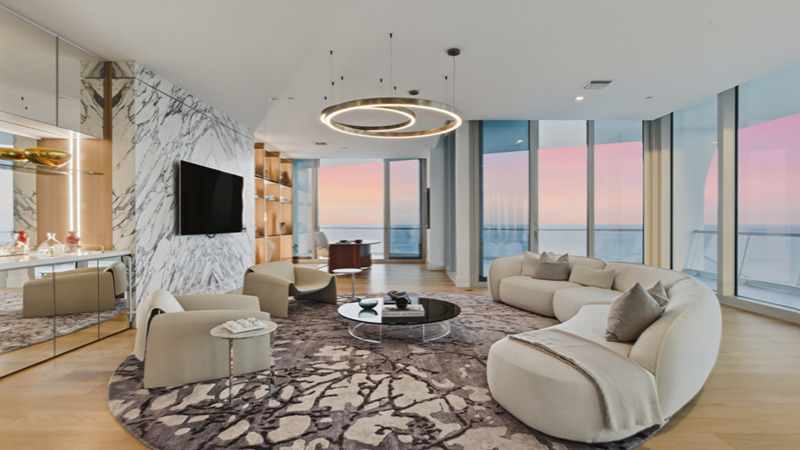
After reviewing thousands of real estate listing photos, one thing becomes obvious fast: most HDR mistakes aren’t dramatic, they’re subtle. Photos don’t look bad at first glance. They look acceptable. But acceptable doesn’t convert, doesn’t get approved quickly, and doesn’t scale.
When we stepped back and analyzed patterns across a massive volume of listings, we noticed the same technical issues repeating again and again. These weren’t creative problems. They were process problems. And they pointed clearly toward why AI real estate photo editing is replacing manual workflows for serious professionals.
This article breaks down what editors commonly get wrong about HDR, and what actually works when quality, consistency, and speed all matter.
The Most Common HDR Mistake: Treating Every Photo as Unique
Manual HDR editing assumes every image needs a fresh set of decisions. Exposure blending, window masking, and white balance are done slightly differently every time. That sounds “artistic,” but at scale, it creates inconsistency.
Across thousands of listings, we saw the same home photographed on different days end up with noticeably different tones. Walls shifted from warm to cool. Windows went from clear to gray. Skies varied wildly.
AI real estate photo editing works differently. Instead of reinventing decisions, it standardizes them. The goal isn’t creative variation; it’s predictable, clean results that agents recognize and approve without revision.
HDR Isn’t About Drama, It’s About Control
Another pattern showed up clearly: editors often push HDR too far. High contrast. Over-saturated skies. Unreal shadows. These images grab attention but fail approval checks.
Buyers and agents don’t want “wow” HDR. They want believable spaces.
Effective AI real estate photo editing focuses on control, not intensity. Balanced highlights. Natural interior lighting. Windows that show the view without glowing. HDR works best when it’s invisible.
Core Image Editing Is Where Quality Is Won or Lost
When we looked at which images performed best across platforms, it always came down to the same core edits, not add-ons.
Strong results consistently depended on five fundamentals:
- Correct sky placement that matches the lighting
- Clean window masking without halos or color shifts
- Accurate white balance across the entire room
- Camera removal from mirrors and reflections
- Proper straightening to keep verticals clean
These steps define professional quality. AI real estate photo editing excels here because these are rule-based, repeatable actions. They don’t benefit from subjective tweaks; they benefit from consistency.
Manual Sorting and HDR Editing Are Two Different Jobs
One major misconception we uncovered: people bundle sorting and HDR merging together. They shouldn’t.
Manual sorting, choosing which images to deliver, has nothing to do with merging exposures. Sorting is about selection. HDR editing is about transformation.
Modern AI real estate photo editing workflows separate these tasks. Humans decide what to keep. AI handles how images are merged and corrected. When these roles are mixed, quality drops, and time is wasted.
Why Revisions Are the Real Cost Driver
Many editors focus on speed per image. But speed alone doesn’t matter if revisions pile up.
Looking at large batches, we found that inconsistent HDR styles trigger revision loops. Agents ask for “slightly brighter,” “less warm,” or “more natural”, over and over.
With AI real estate photo editing, revisions drop because outputs are predictable. The images match expectations the first time. That reliability saves more time than shaving seconds off manual edits.
Add-Ons Are Useful, but They’re Not the Foundation
There’s a lot of noise around extras like virtual staging or heavy visual effects. But the data was clear: these are secondary.
Add-ons work best after core quality is locked in.
Common add-ons that performed well when used selectively included:
- Virtual twilight for exterior hero shots
- Grass greening for seasonal consistency
- Virtual staging when homes were clearly vacant
But these are enhancements, not the main value. AI real estate photo editing proves its worth long before add-ons are applied.
Scaling Breaks Manual HDR First
As volume increases, manual HDR fails in predictable ways. Editors get fatigued. Decisions drift. Style changes without anyone noticing.
That’s why teams processing high volumes quietly move to AI real estate photo editing. AI doesn’t get tired. It doesn’t reinterpret “natural.” It doesn’t forget yesterday’s settings. Consistency is the real scaling advantage.
Where AutoHDR Fits Naturally
After seeing these patterns repeat at scale, it became clear that tools like AutoHDR didn’t emerge because editing was hard. They emerged because manual HDR couldn’t stay consistent under real-world pressure.
AutoHDR focuses on the fundamentals first, sky placement, window masking, white balance, camera removal, and straightening, before offering optional enhancements like virtual twilight or grass greening.
That structure reflects how high-performing listings actually succeed.
Final Thoughts
The biggest misconception about HDR is that better results come from more effort. Our analysis showed the opposite. Better results come from fewer decisions, applied consistently.
That’s why AI real estate photo editing isn’t about replacing editors, it’s about removing variability where it hurts most. When quality becomes predictable, approvals are faster, revisions shrink, and scaling becomes possible. HDR doesn’t need to be dramatic. It needs to work, every time.