
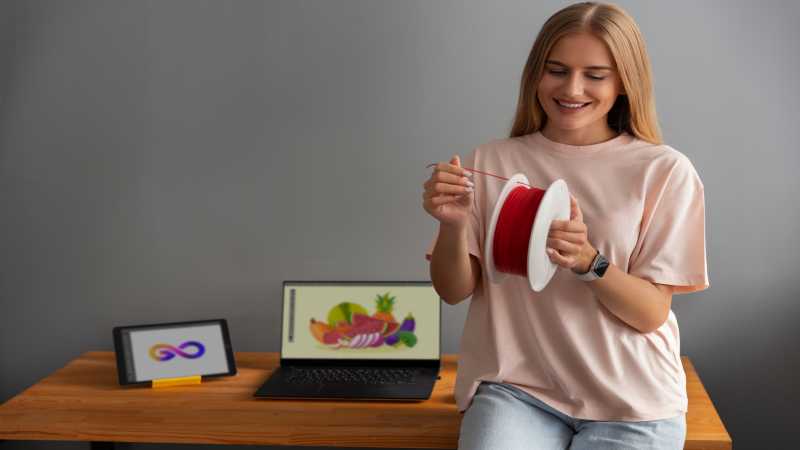
DTF printing is one of the most popular methods for creating custom designs on clothes and fabrics today. If you are new to custom printing or thinking about starting a small business, understanding DTF printing is very important. In this complete beginner’s guide, we explain everything in simple terms. You will learn what DTF printing is, how it works, its advantages and disadvantages, and practical tips to get started.
What is DTF Printing?
DTF stands for Direct to Film printing. It is a modern digital printing technique where you first print your design onto a special transfer film. After that, you use heat to move the design from the film onto fabric or other materials.
Unlike older methods that print directly onto the fabric, DTF prints on film first. This gives you more control over the final result and works well on many different surfaces. The process produces vibrant colors, soft prints, and strong adhesion that can handle washing and daily use. DTF printing became popular because it solves many problems found in older printing techniques. It prints well on both light and dark fabrics without needing special pre-treatment in most cases. This makes it a favorite choice for custom t-shirts, hoodies, bags, and other apparel items.
How DTF Printing Works
The DTF printing process is easy to understand once you break it down into steps. Here is exactly how it works:
- Design Creation: You start by creating your design on a computer using simple graphic software. The design must be mirrored because it will be transferred in reverse.
- Printing on Film: A special DTF printer prints the design onto a clear or white transfer film. It prints the colors first and then adds a white layer if needed for dark fabrics.
- Applying Adhesive Powder: While the ink is still wet, you spread hot melt adhesive powder evenly over the printed film. This powder will help the design stick to the fabric.
- Curing the Powder: You use a heat tool or oven to cure the powder. This step makes the adhesive ready for transfer and removes extra powder.
- Heat Press Transfer: Place the film onto the fabric with the printed side facing down. Use a heat press machine at the right temperature and pressure for the recommended time.
- Peeling: After the fabric cools down, you peel off the film slowly. The design now stays firmly on the material.
The entire process usually takes only a few minutes per item once you get used to it. This makes DTF printing fast and suitable for both small orders and larger batches.
Advantages of DTF Printing
DTF printing offers many benefits, especially for beginners and small businesses. One major advantage is its versatility. You can print on cotton, polyester, blends, leather, and even some hard surfaces with good results. It works excellently on dark fabrics without the colors looking dull.
The prints feel very soft to the touch. Customers like wearing clothes with DTF designs because they do not feel thick or plastic-like. The design also stretches with the fabric and resists cracking. Another big plus is durability. When done correctly, DTF prints can survive 50 or more washes while keeping bright colors and sharp details.
Setup costs are reasonable compared to other professional methods. You do not need screens or plates like in traditional screen printing. This makes it easier to start with small investments. Finally, DTF printing produces less waste and allows quick changes between designs. This is perfect for custom orders and on-demand printing.
Disadvantages of DTF Printing
Like any method, DTF printing has some limitations you should know. The process requires several steps, so it takes longer per item than direct printing methods. You need space for the printer, powder station, and heat press. The film and powder materials add to the cost. While good for small to medium runs, it may not be the cheapest option for very large orders.
Learning the technique takes some practice. Getting the right temperature, pressure, and powder amount is important for consistent quality. Storage of printed films before transfer needs care because they can attract dust. You also need to maintain the printer well to avoid clogs and print issues. Some people note that very detailed tiny text can sometimes look slightly less sharp than other digital methods, though improvements in printers have reduced this problem.
DTF Printing vs Other Methods
Many beginners compare DTF with DTG (Direct to Garment), screen printing, and sublimation. DTF is more forgiving on fabric types and dark colors than DTG. It also requires less maintenance than DTG printers.
Compared to screen printing, DTF is better for small quantities and full-color designs. Screen printing is still cheaper for very large single-color orders. Sublimation works only on special polyester materials, while DTF works on almost any fabric. This makes DTF more flexible for most custom apparel businesses.
Equipment Needed for DTF Printing
To start DTF printing, you need these basic items:
- A DTF printer (A3 or larger size recommended)
- DTF transfer films
- Hot melt adhesive powder
- A heat press machine
- Good graphic design software
- Automatic or manual powder shaker (optional but helpful)
For beginners, start with a reliable entry-level printer. Good ventilation is important because the powder and inks can produce some smell during curing.
Tips for Beginners
Here are some helpful tips to get good results from the start:
- Always use high-quality films and inks. Cheap materials often lead to poor adhesion and quick fading.
- Test your settings on sample fabrics first. Different materials may need small adjustments in temperature and time.
- Shake off extra powder completely before curing to avoid rough texture in the final print.
- Press with medium pressure and follow the recommended time (usually 15-20 seconds at 160-170°C).
- Let the garment cool completely before peeling for cleaner edges.
- Wash instructions for customers: Turn clothes inside out and use cold water for the first few washes.
Practice with simple designs before taking customer orders. This helps you build confidence and skill.
Common Applications of DTF Printing
DTF printing is used in many areas. The most common is custom clothing like t-shirts, hoodies, sweatshirts, and sports jerseys. Businesses also use it for tote bags, promotional apparel, team uniforms, and fashion accessories. Some users apply DTF on shoes, hats, and even home textiles like pillow covers. The method is popular with print-on-demand businesses, Etsy sellers, and local clothing brands because it supports fast turnaround and unique designs.
Getting Started with DTF Printing
Starting your DTF journey is exciting. Begin by researching good equipment and watching tutorial videos. Join online groups to learn from experienced users and avoid common mistakes.
Many people start as a side business and grow it into full-time work. Focus on quality and customer service in the beginning. If you want to explore reliable DTF solutions and equipment, search for DTF LINKO.
Final Thoughts
DTF printing is a powerful, flexible, and beginner-friendly method for custom fabric printing. It combines good print quality, soft feel, and strong durability at a reasonable cost. This makes it an excellent choice for new businesses and experienced printers alike.
Understanding the full process helps you avoid mistakes and produce professional results from day one. With practice and the right equipment, you can create beautiful custom products that customers will love.
Whether you plan to print t-shirts for friends, start an online store, or offer local services, DTF printing gives you the tools to succeed. Take your time to learn the basics properly, and you will see great results.