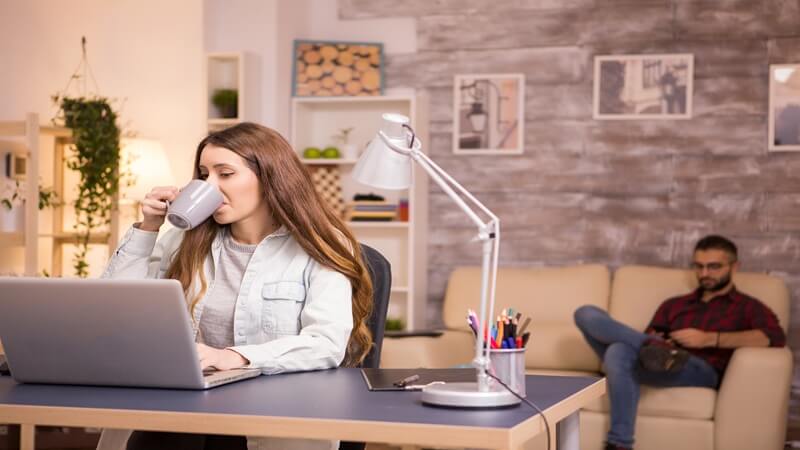
Creating a home office that genuinely feels like a professional workspace — rather than a makeshift desk in a spare room — is essential for focus, productivity, and work–life balance. With more Australians working from home than ever before, the way your home office looks and functions has a real impact on how you show up to work each day. Here’s how to transform your home office into a space that feels purposeful, polished, and truly work-ready.
Define the Space (Even If You’re Short on Room)
One of the biggest reasons a home office feels temporary is a lack of clear boundaries. Even if you don’t have a dedicated room, your workspace should feel distinct from the rest of the home.
This might mean positioning your desk near a window, using a bookshelf or screen as a visual divider, or anchoring the area with a rug. If space is limited, thoughtful small home office ideas can help you create a defined workspace that feels intentional without taking over your home. The key is psychological separation — when you sit down, it should feel like you’re stepping into “work mode”.
Invest in Furniture That Signals “Work”
Furniture sets the tone for how a space is used. A dining chair or spare table might work short-term, but they reinforce the feeling that your office is temporary.Choose a proper desk with enough surface area for your daily tasks, paired with an ergonomic chair that supports long hours of work. Storage matters too — drawers, filing cabinets or shelves instantly elevate a space from casual to professional. Quality furniture doesn’t just improve comfort; it sends a subtle signal that this space is designed for serious work.
Get the Lighting Right
Lighting can make or break how a workspace feels. Poor lighting often contributes to eye strain, fatigue and a lack of motivation. Aim for a mix of:
- Natural light where possible
- Overhead ambient lighting
- Task lighting, such as a desk lamp
Avoid harsh shadows or overly warm lighting that makes the space feel like a bedroom. Clean, neutral lighting helps create a sharper, more professional atmosphere.
Use Colour and Texture with Purpose
A spare room often feels like one because it lacks cohesion. Introducing a consistent colour palette helps tie the space together. Neutral tones such as soft greys, whites and warm timber finishes create a calm, professional base. From there, subtle accents — artwork, plants or textured finishes — add personality without distraction.
Avoid overly bold colours or cluttered patterns that pull attention away from work. The goal is balance: visually interesting, but not overwhelming.
Control Clutter with Smart Storage
Nothing undermines a “real workspace” feeling faster than clutter. Visible piles of paper, cables, and random items quickly turn an office into a dumping ground. Incorporate storage solutions that keep essentials accessible but out of sight. Floating shelves, drawer units and cable management tools help maintain a clean, organised look. A tidy workspace isn’t just about aesthetics — it directly supports focus and efficiency.
Make It Functional for Your Actual Workday
A polished home office should reflect how you actually work, not how an office looks in a catalogue. Consider:
- Do you need dual monitors?
- Do you take frequent video calls?
- Do you work with paperwork or mostly digitally?
Position your desk, screens and storage to suit your workflow. A space that works seamlessly reduces friction and makes your home office feel every bit as legitimate as a commercial workspace.
Add Subtle Professional Touches
Small details can have a big impact on how a space feels. Framed artwork, a quality desk mat, matching stationery or a well-chosen plant all contribute to a cohesive, intentional look. These elements help bridge the gap between “temporary setup” and “established workspace” — without turning your office into a showroom.
Separate Work from Home — Mentally and Physically
Finally, the most important shift is in mindset. Treat your home office as a place of work, not an extension of your living space. When possible:
- Keep the area exclusively for work
- Avoid using the desk for personal tasks
- Pack up or shut down at the end of the day
This reinforces boundaries and helps maintain a healthier work–life balance.
A home office doesn’t need to be large or expensive to feel professional
With thoughtful layout choices, quality furniture, proper lighting, and intentional design, even a small space can function as a real, productive workspace. When your environment supports your work, focus improves, motivation rises, and working from home feels less like a compromise — and more like a smart, long-term solution.