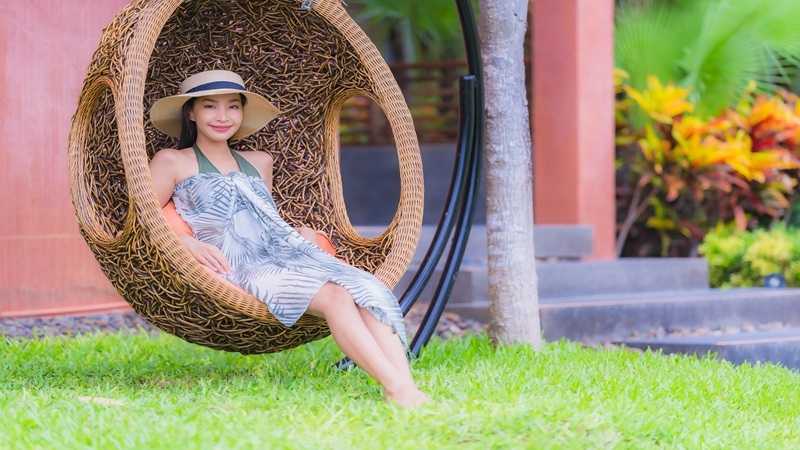
Outdoor lifestyle is in the Australian blood, and patios, balconies, poolside lounges, and garden nooks are a part of our life. Whether you are having barbecues over the weekend or sitting on a warm evening breeze, outdoor furniture sets in cool and fashionable materials will make the day. However, it may be difficult to select materials that will withstand the extreme sunlight, humidity, sea air, and unpredictable weather conditions in Australia. That is why it is essential to know the distinction between PE wicker and natural rattan in order to create an outdoor space that is designed to last. So, What’s the Difference Between PE Wicker and Natural Rattan?
This comprehensive guide not only dissects the two materials in easy-to-understand terms but also discusses their strengths and weaknesses, and the Australian homeowner gets a clue on what to use in their climate and lifestyle requirements.
What Is Natural Rattan?
Natural rattan is made out of the climbing palm species in the rainforests of Southeast Asia. It has long, flexible and very strong stems, and this is the reason why rattan has been used in handcrafted furniture over the generations. Rattan chairs, baskets, and other accessories are one of the traditions appreciated for their cozy and natural look and classic beauty.
Rattan, as furniture, is typically hand-woven, creating unique, arts-and-crafts textures. Its colours can change because of is a natural fibre, and every item tends to have a personality. Rattan furniture is great to be used in sunset-filled indoor rooms, patios, and bohemianly decorated living rooms. Nevertheless, it is also a plant-based material and, hence, responds to moisture, heat, and sunlight.
What Is PE Wicker?
PE wicker, which is also known as polyethylene wicker, is an artificial, synthetic substance that is designed to resemble the appearance of natural woven rattan. Wicker is a term that is used to describe the weaving process rather than the material. PE in this instance is the woven fibre.
PE wicker is formed by extrusion, which produces the strong and flexible strands of polyethylene. These are then woven on a hard frame, usually aluminium. Since it is engineered, PE wicker can be resistant to UV radiation, weatherproof, fadeproof, as well as resistant in outdoor settings. It is available in a great variety of colours and textures, and is much more like natural rattan, albeit with much less maintenance.
Critical Disparities to Australian Householders
The climate in Australia is varied i.e. it has both extreme UV rays, coastal sea salt, icy winters, sticky humidity and unpredictable weather. This is the performance of PE wicker and natural rattan in such situations.
Weather Resistance
- The natural rattan absorbs moisture and is therefore prone to mould, warping, and cracking when left in the open air. It is dissolved easily under intense sunlight.
- PE wicker is created to be used outdoors. It is waterproof, UV-stabilised,d and can withstand changes in temperatures.
Coastal and Inland Durability Environment
- Sea houses in Australia exposure to salty air have the potential to damage natural fibres.
- PE wicker over powder-coated aluminium frames is very strong in these environments.
Ease of Maintenance
Rattan that is made out of natural materials needs frequent cleaning and safeguarding against the weather.
PE wicker requires a minimal amount of wiping and can survive throughout the year in the outdoor environment.
Practical Implication of Aussie Homes
Cost Comparison
Natural rattan is commonly expensive in Australian furniture shops since it is hand-crafted and imported. PE wicker is relatively cheap and offers long-term benefits because it can be used outdoors.
Availability & Style Options
PE wicker is a dominant market in the outdoor furniture industry in Australia due to its strength. There will be lounge sets, meals, sunbeds, and modular seats in an enormous variety of weaves and colours. Natural rattan is more generally indoors or in the case of less exposed outdoor.
Sustenance within the Australian Climate
- Rattan has to be kept dry and shaded and covered with some protective oils or covering.
- PE wicker can be cleaned just with the help of a simple soap and water, which is preferred in busy households and rental properties.
Making Your Choice
The dilemma between PE wicker and natural rattan will always depend on the location and purpose of the use of your furniture.
Most Suited to Rough Outdoor Environment
PE wicker is obviously the victor in case your furniture will be located in open areas without any cover that can shield it against the sun, rain, and wind. It is designed to endure the harsh Australian outdoor conditions and looks years without much maintenance.
Most suitable in Enclosed Patios and Indoor Space
Natural rattan fits sheltered areas, such as sunrooms, enclosed balconies, or sheltered patios. It provides real warmth and beauty but needs a secure environment in order to keep it in a good state.
Sustainability Considerations
- Natural rattan is biodegradable and is usually obtained in a sustainable manner.
- PE wicker is not recyclable yet it can be recycled in case of high-quality polyethylene.
- Agreement Natural vs long-lasting materials The preference of environmentally conscious homeowners may be based on their desire.
Conclusion
PE wicker and natural rattan have their own advantages to apply to Australian homes, yet they are most effective in various environments. Natural rattan is more organic beauty to be used in the interior or the secure place whereas PE wicker is extraordinarily strong and weatherproof to be used in real outdoor life. Knowing their differences, particularly in the context of Australian climate, you will be in a position to invest in the furniture that fits the lifestyle, your design, and, above all, your needs in the long-run.
Be it a cosy reading corner or you are turning your backyard into an outdoor corner, the most fitting material will guarantee comfort, appearance, and durability in the future.
For more infi visit betterthisworld